 By Caleb Morgan
Updated November 2026
A 15 gallon conical fermenter stainless vessel lets you ferment a full-size batch, or two smaller ones, in a single container with a sloped bottom that makes yeast and trub easy to remove. This guide walks through how to judge whether the size fits your brewing, how to prepare the fermenter for use, and how to run a clean fermentation from first fill to packaging.
Check Whether 15 Gallons Fits Your Brewing
Fifteen gallons is larger than most homebrew batches, which usually run 5 to 6 gallons into the fermenter. Before committing, consider the following:
Shopping for one? See our guide: FastFerment Conical Fermenter 7.9 Gallon Review (2026).
- Batch size: A 15 gallon vessel is a good match for a 10 to 12 gallon batch with headspace left for krausen, or for splitting a large brew into two smaller fermentations.
- Floor and cabinet space: Measure height with the lid and valves attached. Many stainless conicals of this size need a clear vertical space well above the standard fermenter bucket height.
- Lifting weight: A full 15 gallons of wort weighs well over 120 pounds. Plan to fill and drain in place, or use a sturdy cart.
Set Up and Sanitize the Fermenter
Stainless conicals are easier to sanitize than plastic, but the gaskets, fittings and dump valve still need attention.
- Disassemble the racking arm, sample port and dump valve. Check each gasket for cracks or flattening.
- Wash all surfaces with warm water and a brewery-safe cleaner to remove oils and residue.
- Rinse thoroughly, then sanitize with a no-rinse acid sanitizer such as Star San, following the label dilution.
- Pressure-test the lid and valves with water or sanitizer before brew day. Leaks at this stage are much easier to fix.
Run a Stainless Conical Fermentation
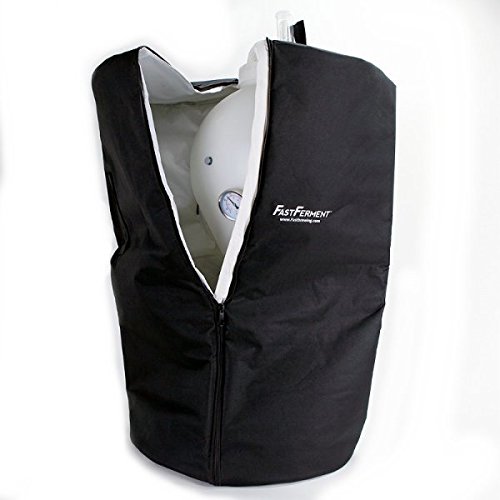
Once the wort is chilled and transferred, pitch your yeast and seal the lid. Manufacturers of stainless conicals generally recommend a blow-off or airlock on the top port to let CO2 escape during active fermentation. Keep the fermenter in a space where ambient temperature stays steady, because a 15 gallon mass of liquid holds temperature well but reacts slowly to swings. Many brewers wrap the vessel in insulation or use a glycol jacket or temperature-controlled chamber for consistent results.
When fermentation finishes, you can drop trub and yeast from the cone through the dump valve, then transfer the beer off the sediment through the racking port. Cold crashing in the same vessel is possible if you have the cooling capacity to chill this volume.
Tips and Common Mistakes
- Do not fill above the manufacturer’s stated working volume; leave room for krausen.
- Check the dump valve gasket before every batch, since a worn seal can leak under pressure.
- Purge the headspace with CO2 if you plan to transfer or dry hop without oxygen exposure.
- Avoid abrasive pads on the stainless surface, which can scratch and trap bacteria.
- Label valves and fittings so reassembly after cleaning goes quickly.
Recommended Gear
- Star San no-rinse sanitizer: A widely used acid sanitizer that works well on stainless and needs no rinsing. View on Amazon
- Silicone gasket and seal kit for conicals: Replacement seals keep dump valves and lids leak-free over time. View on Amazon
- Insulated fermenter jacket: Helps hold a steady temperature in a large, slow-responding vessel. View on Amazon
Related Reading
If you are still deciding between sizes, compare the trade-offs in Is a Conical Fermenter 10 Gallon Worth It? Uses, Tips and Trade-Offs. For temperature management, see Temperature Controlled Conical Fermenter: A Step-by-Step Setup Guide. When your batch is done and you want to reuse the yeast, Harvesting Yeast from Conical Fermenter: A Step-by-Step Guide for Homebrewers covers the process.
FAQ
Can I ferment a full 15 gallon batch in this vessel?
You can, but leave headspace for krausen and follow the manufacturer’s working volume. Filling to the brim risks blow-off and messy cleanup.
Is stainless better than plastic for a conical?
Stainless resists scratches, handles sanitizers well and lasts longer, though it is heavier and costs more upfront. Plastic conicals are lighter but show wear sooner.
How often should I replace the gaskets?
Inspect them before each batch and replace any that are cracked, flattened or discolored. Check with the fermenter maker for recommended replacement intervals.
Conclusion
A 15 gallon stainless conical suits brewers who make large batches or want to split brews into two fermentations. Careful sanitizing, gasket checks and steady temperature control will get you consistent results. Follow the manufacturer’s guidance on volume and maintenance for the safest, cleanest brewing.
Related reading
- SS BrewTech 7 Gallon Conical Fermenter: Setup, Brew Day Steps and Tips
- 7 Best 6 Gallon Stainless Steel Fermenter Options for Homebrewers (2026)
- 6 Best Fastferment 14 Gallon Conical Fermenter Options for Homebrewers (2026)
Ready to choose one?
About Caleb Morgan
Caleb Morgan is part of our editorial team and reviews and edits our home brewing guides, checking product details against manufacturer specifications and owner feedback.