 By Caleb Morgan
Updated November 2026
Shopping for a wine making kit for sale can feel overwhelming, because the listings range from single-gallon ingredient packs to multi-gallon all-in-one systems and stand-alone additive bundles. This list narrows the field to six options that cover different batch sizes, wine styles and experience levels. Our selection criteria were product specifications as stated by manufacturers, brand reputation among home winemakers, and recurring patterns in owner feedback, with attention to what each kit includes, how much wine it yields, and whether the buyer needs to supply anything else. We did not test these products ourselves; the notes below reflect published listing details and common owner observations.
Our top picks at a glance
- 1
 TOP CHOICEBest overallWild Grapes Premium DIY Wine Making Kits – Pinot Grigio StyleView on Amazon
- 2
 TOP CHOICEBest for small batchesChilean Merlot One Gallon Wine Ingredient KitView on Amazon
- 3
 TOP CHOICEBest for a red wine starterClassic Merlot Wine Ingredient KitView on Amazon
- 4
 Best for a non-grape projectCraft A Brew – Mead Making KitView on Amazon
- 5
 Best for tasting practiceWine Aroma Kit, Tasting & Smelling Aroma SetView on Amazon
- 6
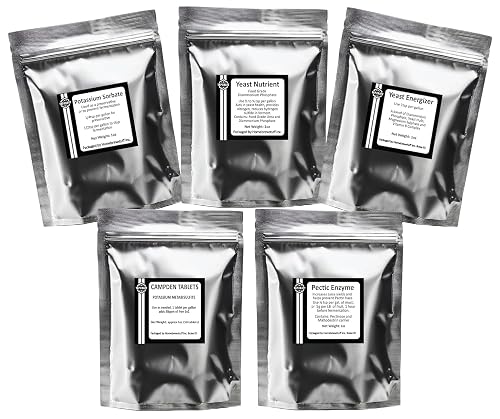 Best for adding to an existing setupTAPCRAFT – Basic Wine Additives BundleView on Amazon
Our Top Picks
| Product | Best for | Key feature |
|---|---|---|
| Wild Grapes Premium DIY Wine Making Kits – Pinot Grigio Style | Batches of up to 6 gallons | All-in-one kit with supplies included |
| Chilean Merlot One Gallon Wine Ingredient Kit | Small-batch trials | One-gallon yield |
| Classic Merlot Wine Ingredient Kit | A first red wine batch | Ingredient kit for a classic red style |
| Craft A Brew – Mead Making Kit | Honey wine (mead) fans | Reusable kit yielding 1 gallon |
| Wine Aroma Kit, Tasting & Smelling Aroma Set | Learning to identify wine aromas | 80 aroma samples with guide |
| TAPCRAFT – Basic Wine Additives Bundle | Winemakers who already own equipment | Yeast nutrient, energizer, Campden tablets, pectic enzyme and potassium sorbate |
Wild Grapes Premium DIY Wine Making Kits – Pinot Grigio Style
Wild Grapes Premium DIY Wine Making Kits – Pinot Grigio Style – Wine Making Supplies Included – All-in-One Kit Makes Up to 30 x 750mL Bottles, 6 Gallons of Wine
Best for: Overall value for a full-size, multi-bottle batch
This kit suits someone who wants a complete, larger-volume project in one purchase, especially a home winemaker who plans to make wine regularly and wants supplies bundled together.
Key specs
- Listed yield of up to 30 x 750 mL bottles (about 6 gallons)
- Pinot Grigio style white wine
- Wine making supplies included in the kit
Pros
- Covers a large batch, so each bottle costs less in effort
- Supplies are included, reducing separate shopping
- Pinot Grigio is a forgiving white style for first-timers
Cons
- A 6-gallon batch needs a fermenter large enough to hold it, which many beginners do not own yet
- Requires a full afternoon or more of active work and several weeks of waiting
Bottom line: Best for a home winemaker ready to commit to a full batch and who already has, or plans to buy, a suitable fermenter.
Chilean Merlot One Gallon Wine Ingredient Kit
Chilean Merlot One Gallon Wine Ingredient Kit
Best for: Small-batch trials in a limited space
This option fits someone who wants to try winemaking without committing to a large carboy setup or a long wait for a big yield.
Key specs
- One-gallon yield
- Chilean Merlot red wine style
- Ingredient kit format
Pros
- Small volume keeps the commitment and cleanup manageable
- A red style introduces tannin and color management
- Good for testing your sanitation routine on a low-stakes batch
Cons
- One gallon yields only about five standard bottles
- Equipment such as a fermenter and airlock may still be needed
Bottom line: A sensible first step for someone who wants a low-volume trial before buying larger equipment.
Classic Merlot Wine Ingredient Kit
Classic Merlot Wine Ingredient Kit
Best for: A first red wine batch with a traditional profile
This kit is aimed at a beginner who wants a classic, recognizable red wine and is comfortable following a set of ingredient instructions.
Key specs
- Classic Merlot red wine style
- Ingredient kit format
Pros
- Merlot is a familiar, approachable red style
- Ingredient kits reduce guesswork about quantities
- Good for practicing red wine maceration and oak-free aging
Cons
- Red wines need more patience than whites before drinking
- Yield and volume details should be checked against the listing before purchase
Bottom line: Pick this if you want a recognizable red wine as your first batch and plan to wait for it to mature.
Craft A Brew – Mead Making Kit
Craft A Brew – Mead Making Kit – Reusable Make Your Own Mead Kit – Yields 1 Gallon of Mead
Best for: Making honey wine (mead) instead of grape wine
This suits someone curious about fermenting honey, who wants a reusable kit and a one-gallon batch rather than a grape-based project.
Key specs
- Yields 1 gallon of mead
- Described as a reusable kit
Pros
- Mead ferments differently from grape wine, which broadens your skills
- Reusable components suit repeat batches
- Single-gallon size keeps the first attempt manageable
Cons
- Mead is a different product from grape wine, so it may not meet expectations for a classic wine
- Honey-based batches can take a long time to clear and mature
Bottom line: A good choice for someone who wants to explore honey fermentation rather than grape wine.
Wine Aroma Kit, Tasting & Smelling Aroma Set
Wine Aroma Kit, Tasting & Smelling Aroma Set For Both White & Red Wines, 80 Aromas, Training Educational Gift – Beginners & Sommelier Master, Book & Accessories Guide
Best for: Training your palate to identify wine aromas
This is a learning tool rather than a fermentation kit. It suits a home winemaker who wants to recognize the aromas that yeast, fruit and oak produce, so they can judge their own batches more accurately.
Key specs
- 80 aroma samples
- Includes a guide for reference
- Designed for both white and red wines
Pros
- Helps build the vocabulary needed to describe your own wines
- Useful for beginners and experienced tasters alike
- Includes a guide, so no outside reference is strictly required
Cons
- Does not include any fermentation supplies, so it cannot make wine on its own
- Aroma kits work best alongside tasting practice, which takes time
Bottom line: Buy this to improve your tasting skills, not as a substitute for a making kit.
TAPCRAFT – Basic Wine Additives Bundle
TAPCRAFT – Basic Wine Additives Bundle – Make wine at home – Includes Yeast Nutrient, Energizer, Campden Tablets, Pectic Enzyme & Potassium Sorbate – Winemaking Essentials kit
Best for: Adding essential additives to an existing winemaking setup
This bundle is for a winemaker who already has a fermenter, airlock and sanitizer, and needs the chemical additives that help fermentation and stabilization go smoothly.
Key specs
- Yeast nutrient
- Yeast energizer
- Campden tablets
- Pectic enzyme
- Potassium sorbate
Pros
- Covers several common additive needs in one purchase
- Useful for stuck fermentations, clarity and stabilization
- Works with grape, fruit or other wine batches
Cons
- Not a complete kit, so equipment and base ingredients must be bought separately
- Additives require correct dosing, so follow instructions and recipe guidance closely
Bottom line: Best for someone with equipment already in place who needs reliable additives for their next batch.
Buying Guide
Batch size and yield
Check the stated yield before you buy. Single-gallon kits make roughly five 750 mL bottles, while larger kits can yield several gallons. Make sure you have a fermenter with enough headspace for the batch size you choose, because a full 6-gallon batch needs a container well above that volume.
Good picks for this: Chilean Merlot One Gallon Wine Ingredient Kit, Wild Grapes Premium DIY Wine Making Kits
Included supplies versus add-ons
Some kits include yeast, fining agents and sanitizer; others supply only the juice or concentrate. Read the inclusions list carefully. If your kit is ingredient-only, you will need a fermenter, airlock, siphon, hydrometer and sanitizer. Our top pick guidance for beginners is to favor kits with more of these items listed.
Good picks for this: Wild Grapes Premium DIY Wine Making Kits, TAPCRAFT – Basic Wine Additives Bundle
Wine style and difficulty
Whites such as Pinot Grigio generally ferment faster and are less tannic than reds. Red styles like Merlot need longer maceration and aging. If you want a quick first result, a lighter white is often easier. Mead is a separate category with its own timeline and flavor profile.
Good picks for this: Classic Merlot Wine Ingredient Kit, Craft A Brew – Mead Making Kit
Sanitation and equipment compatibility
Most winemaking problems trace back to contamination or poor sanitation. Choose a kit whose recommended equipment you can clean and sanitize properly. Plastic fermenters and glass carboys each have care requirements, and some additives such as Campden tablets are used specifically to protect the must from unwanted microbes.
Good picks for this: TAPCRAFT – Basic Wine Additives Bundle, Wild Grapes Premium DIY Wine Making Kits
Timeline and patience
Wine rarely drinks well straight from fermentation. Reds in particular benefit from weeks or months of aging, and mead can need many months. Plan your batch around the time you are willing to wait, and avoid kits whose stated timelines do not match your schedule.
Good picks for this: Classic Merlot Wine Ingredient Kit, Craft A Brew – Mead Making Kit
Learning tools versus making kits
A tasting or aroma kit does not make wine. Decide whether you need something to produce a batch or something to improve your evaluation skills. Many home winemakers eventually buy both, but understanding the difference prevents disappointment.
Good picks for this: Wine Aroma Kit, Tasting & Smelling Aroma Set
Reusability and long-term use
Some kits are single-use ingredient packs, while others are described as reusable or designed for repeat batches. If you expect to brew often, check whether components can be reused and whether replacement ingredients are easy to source.
Good picks for this: Craft A Brew – Mead Making Kit, TAPCRAFT – Basic Wine Additives Bundle
FAQ
What should a beginner look for in a wine making kit for sale?
Look for a clear yield, a list of included supplies, and a wine style that matches your patience. A kit that includes yeast, sanitizer and clear instructions reduces guesswork. If the kit is ingredient-only, budget for a fermenter, airlock and hydrometer as well.
How much wine does a typical kit make?
Yield depends on the product. Single-gallon kits produce roughly five standard 750 mL bottles, while larger kits can produce up to 30 bottles or about 6 gallons. Always confirm the yield in the listing before buying.
Do I need any equipment beyond the kit?
Often yes. Ingredient-only kits typically require a fermenter, airlock, siphon tube, hydrometer, bottles and a sanitizer. All-in-one kits include more of these items, but check the inclusions list to be sure.
Is mead a wine?
Mead is made from fermented honey rather than grapes. Many people group it with wine because the process is similar, but the flavor, sugar profile and timeline differ. Mead kits suit anyone interested in honey fermentation.
What are wine additives used for?
Additives support fermentation and stability. Yeast nutrients and energizers help yeast work through the sugar, pectic enzyme helps clarity, Campden tablets help protect against spoilage organisms, and potassium sorbate helps prevent refermentation after bottling. Dosing matters, so follow the instructions carefully.
How long does it take to make wine from a kit?
Fermentation often takes a few weeks, but clearing, aging and bottle conditioning can add months. Red wines usually need longer than whites. Check the timeline in your kit instructions and plan accordingly.
Is a wine aroma kit useful if I do not make wine?
Yes. Aroma kits help people learn to identify scents in wine, which is useful for tasting, pairing and evaluating wines from any source. They do not, however, produce any wine on their own.
Conclusion
For most home winemakers, the right wine making kit for sale depends on batch size, wine style and how much equipment you already own. Wild Grapes Premium DIY Wine Making Kits suits a full, larger batch with supplies included. Chilean Merlot One Gallon Wine Ingredient Kit and Classic Merlot Wine Ingredient Kit fit smaller trials and a first red. Craft A Brew – Mead Making Kit is the choice for honey wine. Wine Aroma Kit is a learning tool for tasting, and TAPCRAFT – Basic Wine Additives Bundle fills gaps for winemakers who already own their equipment. Match the kit to what you already have and how long you are willing to wait.
Sources
- Food safety guidance on alcohol production, labeling and home fermentation considerations (fda.gov)
- Information on fruit and grape product standards and processing practices (usda.gov)
- Research-based extension guidance on home winemaking, sanitation and fermentation (extension.org)
Related reading
- Homebrew Wine Making Kit: A Step-by-Step Guide for Beginners
- Primary Fermenter for Wine Making: A Step-by-Step Guide for Beginners
- 7 Best Homebrew Beer Making Kit Options for Beginners in 2026
- 4 Best Fermenters for Wine Making Options Compared (2026)
About Caleb Morgan
Caleb Morgan is part of our editorial team and reviews and edits our home brewing guides, checking product details against manufacturer specifications and owner feedback.