 By Graham Fisher
Updated November 2026
Small batch home brewing equipment lets you make beer, wine or mead in one- to six-gallon quantities without a big upfront investment or a lot of storage space. This list focuses on complete starter kits and siphoning gear that cover fermenting, transferring and bottling. Each pick was chosen by comparing product listings, brand reputation and common owner feedback, with attention to batch size, included parts and how well each kit suits a first brew day.
Our top picks at a glance
- 1
 TOP CHOICEBest overallWine Making Kit & Mead Making KitView on Amazon
- 2
 TOP CHOICEBest for beer startersNorthern Brewer HomeBrewing Starter SetView on Amazon
- 3
 TOP CHOICEBest for transferringFermtech Mini 14" Long Deluxe Siphoning KitView on Amazon
- 4
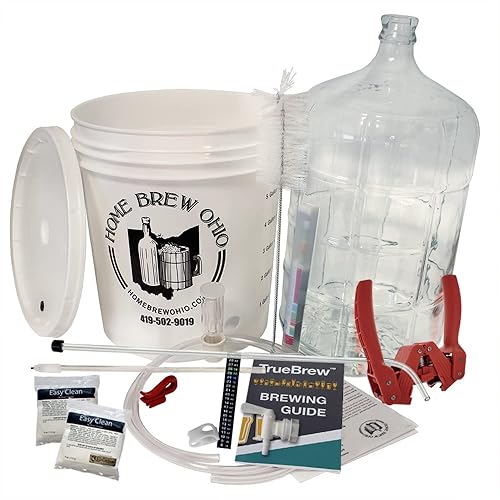 Best for a complete beer setupMonster Brew Complete Beer Equipment Kit (K6)View on Amazon
- 5
 Best for a single-gallon test batchNorthern Brewer Siphonless 1 Gallon Craft Beer KitView on Amazon
Our Top Picks
Quick Comparison
| Product | Best for | Key feature |
|---|---|---|
| Wine Making Kit & Mead Making Kit | Wine and mead beginners | Glass carboy and airlock |
| Northern Brewer HomeBrewing Starter Set | First five-gallon beer batch | Equipment plus recipe |
| Fermtech Mini 14″ Long Siphoning Kit | Transferring and bottling | Auto siphon pump |
| Monster Brew Complete Beer Kit | All-in-one beer setup | 6-gallon glass carboy |
| Northern Brewer Siphonless 1 Gallon Kit | Low-volume test batches | No-siphon design |
Wine Making Kit & Mead Making Kit
Wine Making Kit & Mead Making Kit | Complete Home Brewing Kit for Beginners & Experts – Includes Glass Carboy, Fermenter, Hydrometer, Siphon, Airlock & More | DIY Wine Brewing Equipment
Best for: Wine and mead beginners who want a single kit for fermenting, transferring and sealing.
This kit suits someone who wants to start with wine or mead rather than beer. It bundles a glass carboy, fermenter, hydrometer, siphon and airlock in one package.
Pros
- Includes most core fermenting parts in one order
- Glass carboy works well for slow, long ferments
Cons
- Glass is heavier and more fragile than plastic
Northern Brewer HomeBrewing Starter Set
Northern Brewer – Brew. Share. Enjoy. HomeBrewing Starter Set, Equipment and Recipe for 5 Gallon Batches (Hank's Hefeweizen)
Best for: A first five-gallon beer batch with a recipe included.
This set is aimed at new beer brewers who want the equipment and a tested-by-the-brand recipe in one box, without guessing which parts they need.
Pros
- Recipe and equipment are matched for a first brew
- Clear starter set structure for beginners
Cons
- Five-gallon batches need more space than a true small batch
Fermtech Mini 14″ Long Deluxe Siphoning Kit
Fermtech Mini 14" Long Deluxe Siphoning Kit – Complete Home Brewing Equipment for Beer, Wine, Mead, and Craft Brew Making; Includes Auto Siphon Pump, Food-Grade Transfer Hose, and Bottling Wand
Best for: Transferring and bottling beer, wine or mead.
This kit is for brewers who already have a fermenter and need a reliable way to move liquid without splashing or oxidizing it.
Pros
- Auto siphon pump starts the flow without mouth suction
- Food-grade hose and bottling wand are included
Cons
- Accessory only, so you still need a fermenter
Monster Brew Complete Beer Equipment Kit (K6)
Monster Brew Home Brewing Supplies Home Brew Ohio Complete Beer Equipment Kit (K6) with 6 gal Glass Carboy, Multicolor (DP-GFZY-7I2K)
Best for: An all-in-one beer setup with a large glass carboy.
This kit suits brewers who want most of the beer gear in one order and do not mind handling a heavier glass vessel.
Pros
- Six-gallon carboy covers a range of batch sizes
- Bundled equipment reduces guesswork on what to buy
Cons
- Glass carboys are heavy when full and need careful handling
Northern Brewer Siphonless 1 Gallon Craft Beer Kit
Northern Brewer – Siphonless 1 Gallon Craft Beer Making Starter Kit, Equipment and Beer Recipe Kit (American Wheat)
Best for: Low-volume test batches with a single gallon of beer.
This kit is a good fit for someone who wants to try a style or recipe before committing to a full batch, or who has very limited space.
Pros
- One-gallon batch keeps ingredient costs and risk low
- Siphonless design simplifies the transfer step
Cons
- Yield is too small for sharing with a group
Buying Guide
Batch Size
Decide how much you want to make per brew day before you buy. One-gallon kits suit experiments, while five- to six-gallon sets suit regular drinking batches. Owners often report that a batch size that is too large becomes hard to store and finish.
Fermenter Material
Glass resists staining and is easy to clean, but it is heavy and breakable. Plastic buckets and carboys are lighter and more forgiving. Choose based on how often you plan to move full vessels.
Included Transfer Tools
Check whether a kit includes a siphon, hose and bottling wand. Missing transfer tools are a common reason first brews are delayed, so a complete kit saves a trip to the shop.
Recipe and Ingredients
Kits that include a recipe reduce guesswork for a first batch. If you already have ingredients, look for equipment-only sets to avoid paying for duplicates.
Good picks for this: Northern Brewer HomeBrewing Starter Set, Northern Brewer Siphonless 1 Gallon Craft Beer Making Starter Kit
FAQ
Do I need a lot of space to start small batch home brewing?
No. Most one- to five-gallon setups fit on a small shelf or in a closet, and the fermenting vessel is the largest piece you will need to store. Choosing a one-gallon kit can make the space requirement even smaller while you learn the process.
Can one kit be used for both beer and wine?
Some kits are designed for multiple beverages, such as wine and mead, while others are built specifically for beer. Check whether the fermenter, airlock and siphoning parts suit your chosen drink before buying. Recipe ingredients are usually the main difference between beverages.
Is a siphon really necessary for a first batch?
A siphon makes it much easier to move liquid from the fermenter to a bottling bucket without disturbing the sediment at the bottom. Siphonless kits use other methods, which can work well for very small batches. Either approach is reasonable for beginners, depending on how much equipment you want to handle.
How long does it take to finish a batch after brewing day?
Timelines vary by style, but most beginner beers and wines need several weeks of fermentation and conditioning before they are ready to drink. Patience matters more than speed, so plan on checking the airlock activity and waiting for stable readings before bottling. Recipes usually list an estimated timeline to help you plan.
What should I clean and sanitize first?
Sanitizing every piece of equipment that touches the liquid after fermentation starts is the most important habit to build. Clean all parts with a suitable cleaner first, then sanitize them with a no-rinse sanitizer or follow the sanitizer label directions. Skipping this step is a common reason beginner batches spoil.
Which option is best if I am not sure I will keep brewing?
A smaller starter kit or a siphonless one-gallon setup keeps the cost of trying the hobby lower. You can learn the basics without committing to larger equipment. If you enjoy the process, you can add bigger vessels and transfer tools later.
Conclusion
If you want to start with wine or mead and value a kit that covers fermenting and transferring in one package, the wine and mead kit is a sensible first choice. Beer fans who want a full five-gallon starting point with a recipe included should look at the Northern Brewer starter set, while those who prefer a more complete all-in-one beer setup may lean toward the Monster Brew kit.
Choose the siphoning kit if you already have a fermenter and need dependable transfer tools, and pick the siphonless one-gallon kit if you want the lowest-commitment way to try brewing beer. Matching batch size and included parts to your goals will make your first brew day far more enjoyable.
Related reading
- What Equipment Needed for Home Brewing? A Starter Checklist
- What Equipment Do I Need for Home Brewing Beer? A Starter Guide
- Used Home Brewing Equipment for Sale: 3 Best Picks for Starter Brewers (2026)
- Sanitizing Home Brewing Equipment: A Step-by-Step Guide for Beginners
About Graham Fisher
Graham Fisher is part of our editorial team and reviews and edits our home brewing guides, checking product details against manufacturer specifications and owner feedback.