 By Caleb Morgan
Updated November 2026
Pressure fermentation on a grainfather conical fermenter lets you hold a steady gas pressure during fermentation, which can speed up clean lager and ale fermentation and keep oxygen and off-flavors out of the batch. This list compares seven products by how well they suit pressure work, how sealed the lid and fittings are, build material, and how much owners report usable headroom for CO2 control.
At a glance:
Our top picks at a glance
- 1
 TOP CHOICEBest overallGrainfather Conical Fermenter PRO EditionView on Amazon
- 2
 TOP CHOICEBest for budget brewersConical Fermenting System – BPA Free Food Grade PlasticView on Amazon
- 3
 TOP CHOICEBest for stainless buildINTBUYING 9 Gal Wine Fermentation Tank 304 Stainless SteelView on Amazon
- 4
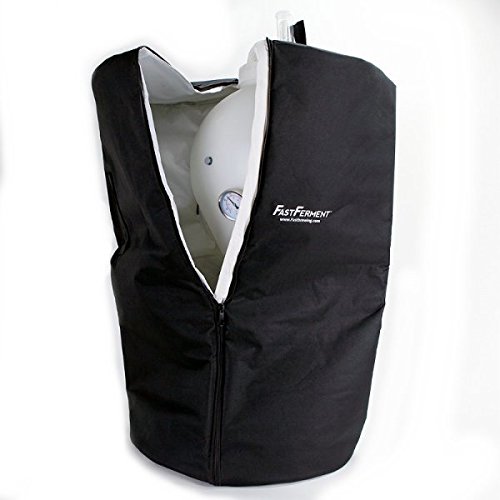 Best for temperature controlFASTFERMENT Conical Fermenter Fermentation JacketView on Amazon
- 5
 Best for small-batch pressureNorthern Brewer Reactor Conical FermentorView on Amazon
- 6
 Best for mason-jar testsComplete Mason Jar Fermentation KitView on Amazon
- 7
 Best for airlock-style setupsAirlock Lids & 3 Pickle Helix Fermentation Weights, For Wide Mouth MasView on Amazon
Our Top Picks
Quick Comparison
| Product | Best for | Key feature |
|---|---|---|
| Grainfather Conical Fermenter PRO Edition | Overall pressure work | Purpose-built conical lid |
| Conical Fermenting System (plastic) | Budget brewers | BPA-free food-grade plastic |
| Northern Brewer Reactor Conical Fermentor | Small-batch pressure | Compact conical body |
| INTBUYING 9 Gal Stainless Steel Tank | Stainless build | 304 stainless steel |
| FASTFERMENT Conical Fermenter Jacket | Temperature control | Insulated cooling jacket |
| Complete Mason Jar Fermentation Kit | Mason-jar tests | Wide-mouth jar fittings |
| Airlock Lids and Pickle Helix Weights | Airlock-style setups | Multiple airlock lids |
Grainfather Conical Fermenter PRO Edition
Conical Fermenter PRO Edition
Best for: Overall pressure work
This is the most direct fit for brewers who want a conical vessel designed around sealed, pressurized fermentation and clean yeast harvesting.
Pros
- Conical shape suits yeast dumping under pressure
- Designed for the Grainfather brewing ecosystem
Cons
- Works best if you already use Grainfather equipment
Conical Fermenting System – BPA Free Food Grade Plastic
Conical Fermenting System – NO AIRLOCK OR Siphon Required – Made of BPA Free Food Grade Plastic that imparts Zero unwanted Flavors into Your Brew!
Best for: Budget brewers
A practical choice for homebrewers who want to experiment with pressure and conical geometry without a large commitment.
Pros
- Food-grade plastic with no airlock or siphon needed for basic use
- Simple, light, and easy to clean
Cons
- Plastic lids can be less rigid when holding higher pressure
Northern Brewer Reactor Conical Fermentor
Northern Brewer – Reactor Conical Fermentor
Best for: Small-batch pressure
Suited to brewers working in smaller volumes who want a compact conical for controlled pressure trials.
Pros
- Compact footprint for small batches
- Conical body helps with trub separation
Cons
- Smaller capacity limits full-size batches
INTBUYING 9 Gal Wine Fermentation Tank 304 Stainless Steel
INTBUYING 9 Gal Wine Fermentation Tank 304 Stainless Steel Beer Brewing Fermentation Tanks with Exhaust Pipe Sealing Lock Fastener for Beer Wine Yogurt Milk Juice
Best for: Stainless build
Fits brewers who prioritize a sturdy stainless vessel and are comfortable with a more utilitarian setup.
Pros
- 304 stainless steel resists corrosion and holds up to repeated cleaning
- Includes an exhaust pipe and sealing lock fastener
Cons
- Pressure rating and fittings should be confirmed before use
FASTFERMENT Conical Fermenter Fermentation Jacket
FASTFERMENT Conical Fermenter Fermentation Jacket fits up to 8 Gallons. Fermentation Cool Brewing Cooler Bag for Fermentation Temperature Control – Fermentation Accessories
Best for: Temperature control
Aimed at brewers who already have a conical and need help holding a steady fermentation temperature during pressure work.
Pros
- Insulated jacket helps stabilize fermentation temperature
- Fits conicals up to 8 gallons
Cons
- A jacket does not add pressure capability on its own
Complete Mason Jar Fermentation Kit
Complete Mason Jar Fermentation Kit – Sauerkraut Pounder + 4pc Glass Weights + 4pc water airlocks Easy Wide Mouth Jars Vegetable Fermenting Set -Suitable for 86MM mason jar (Jars Not Included)
Best for: Mason-jar tests
A low-stakes way to practice fermentation control and airlock fittings before committing to a conical vessel.
Pros
- Affordable way to learn fermentation control
- Includes weights and airlock-compatible parts
Cons
- Jars are not included and small volumes limit batch size
Buying Guide
Pressure Rating and Lid Sealing
Not every conical fermenter is built to hold pressure. Look for a lid with a gasket that seals tightly and fittings rated for the gas pressure you plan to use. Confirm whether the manufacturer states a safe working pressure, and keep your pressure well below that limit.
Check how the lid clamps down as well. A lid that seats evenly with a strong fastener makes it much easier to hold a steady pressure without slow leaks.
Build Material
Stainless steel is durable, resists scratches, and is easy to sanitize, but it costs more. Food-grade plastic is lighter and more affordable, though it can scratch over time, which makes thorough cleaning harder. Choose the material that fits your budget and how often you plan to brew.
Fittings and Pressure Control
Good pressure work depends on the ports you have available. Look for a pressure relief valve or a port that accepts a spunding valve or pressure gauge. Having a way to vent excess pressure and read the current level helps you hold a consistent target.
Also consider whether the fermenter has a sample port or a way to transfer beer under pressure, since these features make pressure workflows simpler.
Temperature Control Compatibility
Pressure fermentation works best alongside steady temperature control. Check whether the fermenter fits a cooling jacket or cooler bag, and whether the vessel size matches the batch volumes you usually brew. Consistent temperature gives you cleaner fermentation results.
Capacity and Headroom
Make sure the vessel is large enough for your batch with enough empty space left for CO2 to build up. Overfilling reduces the headroom you need for controlled pressure, so plan batch size around the vessel’s usable volume rather than its total capacity.
FAQ
Can I use any conical fermenter for pressure fermentation?
No. Many conical fermenters are designed only for atmospheric fermentation and lack the sealed lid and fittings needed to hold pressure safely. Check the manufacturer’s stated pressure limits before you attempt pressure work with any vessel.
What pressure should I hold during fermentation?
Many brewers target a low, steady pressure, often in the range used for pressure lager or spunded ale methods. The right target depends on the yeast strain and style you are brewing. Always stay well under the vessel’s rated limit.
Do I need a spunding valve?
A spunding valve is the most common way to hold a set pressure automatically, releasing gas only when pressure goes above your target. Without one, you would need to monitor and vent pressure manually, which is more work and less consistent.
Is stainless steel better than plastic for pressure fermentation?
Stainless steel is generally more durable and easier to keep sanitary, which helps with repeated pressure brewing. Plastic can work well for occasional use if it is rated for the pressures you plan to hold. Choose based on your rated limits and how often you brew.
How do I clean a pressure fermenter safely?
Remove all pressure before opening the vessel, and disassemble the lid and fittings for cleaning. Sanitize all parts that contact the beer, and inspect gaskets for wear before each batch. Replacing worn gaskets helps maintain a reliable seal.
Conclusion
If you want a dedicated, well-sealed option for controlled pressure fermentation and plan to brew often, a stainless or purpose-built pressure-capable conical vessel is the safer long-term choice. Brewers on a tighter budget who only ferment occasionally can start with a plastic conical that is rated for the pressures they intend to use.
Whichever you choose, confirm the pressure rating, check the lid and fittings, and pair the vessel with reliable temperature control. Matching the fermenter to your batch size and brewing frequency will do the most to give you consistent, clean results.
Related reading
- Grainfather Conical Fermenter WiFi: Setup, Pairing and Troubleshooting Steps
- Grainfather Conical Fermenter WiFi Controller: 6 Best Options for Homebrewers
- Grainfather Conical Fermenter Pro Edition Review: Features and Performance
- Grainfather Conical Fermenter Dry Hopping: 5 Steps to Better Aroma
- Conical Fermenter Pressure Transfer: A Step-by-Step Guide for Homebrewers
About Caleb Morgan
Caleb Morgan is part of our editorial team and reviews and edits our home brewing guides, checking product details against manufacturer specifications and owner feedback.