 By Graham Fisher
Updated November 2026
Shopping for the cost of beer brewing equipment can feel overwhelming, because the gear ranges from simple fermentation parts to full electric brewing systems. This list focuses on five setups that cover the core stages of a home brew day: mashing and boiling, fermentation, airlock sealing, siphoning and pressurized fermentation. Each pick was assessed against manufacturer specifications, brand reputation and the patterns that show up in owner feedback, with attention to batch size, ease of use and how well each part fits a beginner’s workflow.
Our top picks at a glance
- 1
 TOP CHOICEBest overallStainless Steel Home Beer Brewer, Mash & Boil Pot with 7-Step ProgrammView on Amazon
- 2
 TOP CHOICEBest for automated brewingVEVOR 1800W Electric Brewing System, 9.2 Gal All-in-One Home Beer Brewer with PumpView on Amazon
- 3
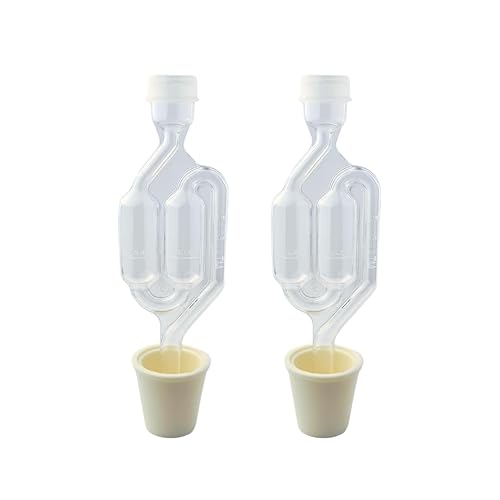 TOP CHOICEBest budget pickFastrack Twin Bubble Airlock and Carboy Bung (2-Pack)View on Amazon
- 4
 Best for small batchesAuto Siphon Mini with 6 Ft Food Safe Tubing and ClampView on Amazon
- 5
 Best for pressurized fermentationVEVOR Pressure Fermenter 15 PSI, 16 Gallon Stainless Steel Conical BucketView on Amazon
Our Top Picks
| Product | Best for | Key feature |
|---|---|---|
| FOHERE Stainless Steel Home Beer Brewer, Mash & Boil Pot with 7-Step Programmable & 10 Recipe Memory | All-in-one brewing on a single unit | 7-step programmable control with 10 recipe memory slots |
| VEVOR 1800W Electric Brewing System, 9.2 Gal All-in-One Home Beer Brewer with Pump | Automated mash and boil control | Timer, recipe memory and 77–212℉ temperature range |
| Fastrack Twin Bubble Airlock and Carboy Bung (2-Pack) | Budget fermentation sealing | Twin bubble airlock with carboy bung in a two-pack |
| Auto Siphon Mini with 6 Ft Food Safe Tubing and Clamp | Small-batch transfers | Compact siphon with 6 ft of food-safe tubing |
| VEVOR Pressure Fermenter 15 PSI, 16 Gallon Stainless Steel Conical Bucket | Pressurized and secondary fermentation | 15 PSI rated stainless conical fermenter |
FOHERE Stainless Steel Home Beer Brewer, Mash & Boil Pot with 7-Step Programmable & 10 Recipe Memory
Stainless Steel Home Beer Brewer, Mash & Boil Pot with 7-Step Programmable & 10 Recipe Memory FOHERE All-in-One Electric Brewing System (9.2 Gal/35L)
Best for: All-in-one brewing on a single unit
This is aimed at brewers who want to handle mashing, boiling and some fermentation-adjacent steps in one vessel, without buying a separate kettle, burner and controller. It suits someone who has outgrown extract kits and wants a guided, repeatable process.
Key specs
- Stainless steel mash and boil pot
- Capacity listed at 9.2 gallons (35 L)
- 7-step programmable control
- 10 recipe memory slots
Pros
- Combines mashing and boiling in one unit
- Programmable steps reduce guesswork on repeat brews
- Stainless construction is easy to clean and sanitize
Cons
- Requires a dedicated electrical outlet with enough capacity
- Learning the step programming takes some practice
Bottom line: A strong choice for brewers who want automation and a compact all-in-one system, provided their kitchen wiring can handle the load.
VEVOR 1800W Electric Brewing System, 9.2 Gal All-in-One Home Beer Brewer with Pump
for Homebrewers, 1800W Electric Brewing System with Mash Boil Device Panel, Auto/Manual Mode,Timer Recipe Memory, 77-212℉ VEVOR Beer Brewing Equipment, 9.2 Gal All-in-One Home Beer Brewer with Pump
Best for: Automated mash and boil control
This suits brewers who want a more hands-off mash and boil, with a built-in pump and timer handling the repetitive tasks. It is a reasonable step up for someone comfortable with basic brewing who wants consistency between batches.
Key specs
- 1800W electric heating element
- 9.2 gallon capacity
- Temperature range listed as 77–212℉
- Auto and manual modes, timer and recipe memory
Pros
- Integrated pump simplifies transfers
- Auto and manual modes suit different experience levels
- Recipe memory supports repeatable batches
Cons
- Electric systems need a suitable circuit and ventilation
- Owners often recommend learning manual mode before relying on auto
Bottom line: A good pick for brewers who value automation and want to standardize their process across batches.
Fastrack Twin Bubble Airlock and Carboy Bung (2-Pack)
Fastrack Twin Bubble Airlock and Carboy Bung (2-Pack) | Fermentation Airlocks for Homebrewing Beer, Wine, Mead, and Kombucha
Best for: Budget fermentation sealing
This is for brewers who need reliable airlocks for carboys or buckets without spending heavily on fermentation hardware. It is also useful as a spare set for a second fermenter.
Key specs
- Twin bubble airlock design
- Includes carboy bung
- Sold as a 2-pack
Pros
- Inexpensive way to seal a fermenter
- Two units cover a second batch or a backup
- Simple to sanitize and reuse
Cons
- Bung fit depends on the vessel opening, so check sizing first
- Requires periodic cleaning to avoid residue buildup
Bottom line: A practical add-on for brewers building out fermentation gear on a budget.
Auto Siphon Mini with 6 Ft Food Safe Tubing and Clamp
Auto Siphon Mini with 6 Ft of Food Safe Tubing & Clamp – Easy Home Brewing, Winemaking Kit, Complete System for Beer, Wine, Liquid Transfer & Fermentation Tools – Perfect for Small Batches
Best for: Small-batch transfers
This suits brewers making smaller batches or transferring modest volumes between vessels, where a full-size siphon setup would be more than needed.
Key specs
- Compact auto siphon
- 6 ft of food-safe tubing
- Includes clamp
Pros
- Easy to start without mouth suction
- Clamp gives control over flow rate
- Compact size suits small-batch work
Cons
- Six feet of tubing may be short for larger carboys
- Mini size is less efficient for high-volume transfers
Bottom line: A handy, low-commitment transfer tool for small batches and beginners.
VEVOR Pressure Fermenter 15 PSI, 16 Gallon Stainless Steel Conical Bucket
VEVOR Pressure Fermenter 15 PSI, 16 Gal/60L All-in-One Stainless Steel Conical Secondary Fermentation Bucket, with Cooling Tube, Yeast Slurry Collection Bottle, for Wine, Beer Brewing Equipment
Best for: Pressurized and secondary fermentation
This is aimed at brewers who want a conical stainless fermenter that can handle pressure and support secondary fermentation, useful for those moving beyond basic bucket fermentation.
Key specs
- 15 PSI pressure rating as listed
- 16 gallon stainless steel conical design
- Supports secondary fermentation
Pros
- Conical shape helps with yeast collection
- Pressure rating allows controlled carbonation and fermentation
- Stainless construction is durable and easy to sanitize
Cons
- Pressure work requires care and the correct fittings
- Large footprint needs dedicated storage space
Bottom line: A solid upgrade for brewers ready to move into conical, pressurized fermentation.
Buying Guide
Batch size and capacity
Most home brewers work in 5-gallon (about 19 L) batches, so check whether a system or fermenter can handle that volume with headspace. Fermenters need room for foam, and a brew kettle needs extra room so the wort does not boil over. Confirm the listed capacity and leave margin above your target batch.
Good picks for this: VEVOR Pressure Fermenter 15 PSI, 16 Gallon Stainless Steel Conical Bucket; FOHERE Stainless Steel Home Beer Brewer
Power and electrical requirements
Electric brewing systems draw significant current. Check the wattage and make sure the outlet is on a circuit rated for the load, and avoid extension cords. Confirm ventilation for steam, especially in indoor spaces.
Good picks for this: VEVOR 1800W Electric Brewing System; FOHERE Stainless Steel Home Beer Brewer
Temperature control and programmability
Consistent mash temperatures affect fermentability and body. Look for a clearly stated temperature range and timer or recipe memory if you plan to repeat recipes. Manual control still matters for learning the process.
Good picks for this: VEVOR 1800W Electric Brewing System; FOHERE Stainless Steel Home Beer Brewer
Material and durability
Stainless steel is the common choice for kettles and fermenters because it resists corrosion and cleans well. Check for food-safe materials and welded seams. Plastic parts such as airlocks and tubing should be rated food safe.
Good picks for this: VEVOR Pressure Fermenter 15 PSI, 16 Gallon Stainless Steel Conical Bucket; Auto Siphon Mini with 6 Ft Food Safe Tubing and Clamp
Fit and compatibility
Bungs and airlocks must match your vessel opening, and tubing diameter must match your fittings. Measure your carboy or bucket before buying sealing gear. A mismatched bung is one of the most common setup problems.
Good picks for this: Fastrack Twin Bubble Airlock and Carboy Bung (2-Pack); Auto Siphon Mini with 6 Ft Food Safe Tubing and Clamp
Use case and batch frequency
Brewers who brew occasionally can get by with simple gear and manual steps. Those who brew every few weeks or want to scale up benefit from automation and conical fermentation. Match the setup to how often you plan to brew.
Good picks for this: FOHERE Stainless Steel Home Beer Brewer; Fastrack Twin Bubble Airlock and Carboy Bung (2-Pack)
Cleaning and care
Sanitation is the main maintenance task. Clean and sanitize every surface that touches wort or beer, and replace worn tubing and bungs. Stainless components tolerate repeated cleaning better than most plastics. Rinse thoroughly after each brew day to prevent residue and off-flavors.
Good picks for this: Auto Siphon Mini with 6 Ft Food Safe Tubing and Clamp; Fastrack Twin Bubble Airlock and Carboy Bung (2-Pack)
FAQ
What is the typical cost of beer brewing equipment for beginners?
Costs vary widely depending on whether you start with basic fermentation parts or a full electric system. Many beginners build up gradually, starting with a fermenter, airlock and siphon before adding a kettle or automation. Check the guides linked below for a fuller breakdown of how these pieces add up.
Do I need an electric brewing system to start?
No. Many brewers start with extract kits, a stockpot and basic fermentation gear. Electric systems add convenience and temperature control, but they are not required to make good beer.
What size fermenter should I buy?
For a standard 5-gallon batch, a fermenter rated for at least 6 to 7 gallons gives headspace for active fermentation. Larger conical fermenters suit brewers who plan to scale up or use secondary fermentation.
Is a pressure fermenter necessary?
It is not necessary for most beginners. Pressure fermentation offers control over carbonation and yeast behavior, and it becomes useful once you are comfortable with standard fermentation and want more control.
How do I make sure my airlock and bung fit?
Measure the opening of your carboy or bucket and choose a bung sized to that opening. Test the fit with water before brewing, and make sure the airlock sits securely. Sanitize all sealing parts before use.
How often should brewing equipment be cleaned?
Clean and sanitize equipment before and after every brew day. Inspect tubing and bungs for wear, and replace them when they show cracks or discoloration. Consistent cleaning is the most effective way to prevent contamination.
Conclusion
The cost of beer brewing equipment depends on how far you want to automate and how many batches you plan to make. The FOHERE all-in-one brewer suits brewers who want a single guided system, while the VEVOR electric system fits those who value timers and pumps. The Fastrack airlock pack and Auto Siphon Mini cover the essential sealing and transfer needs at a modest level of investment. The VEVOR pressure fermenter is a logical next step for brewers ready to move into conical, pressurized fermentation. Start with the parts that fit your current batch size, then add equipment as your process matures.
Sources
- Electrical product safety guidance relevant to heating appliances and household circuits (cpsc.gov)
- Information on home energy use and safe operation of high-wattage appliances (energy.gov)
- Food safety and sanitation principles applicable to food-contact equipment (usda.gov)
Before you buy: helpful guides
- Home Beer Brewing Equipment Uk: A Step-by-Step Guide for Beginners
- What Equipment Do I Need for Home Brewing Beer? A Starter Guide
- Brewing Beer Equipment Commercial: A Step-by-Step Guide for Beginners
- Micro Beer Brewing Equipment: A Step-by-Step Guide for Beginners
- Beer Brewing Equipment Manufacturers: How to Choose the Right Brand
Related reading
About Graham Fisher
Graham Fisher is part of our editorial team and reviews and edits our home brewing guides, checking product details against manufacturer specifications and owner feedback.