 By Caleb Morgan
Updated November 2026
Choosing a mr beer 2 gallon fermenter comes down to a few practical questions: how well it seals, whether the lid and airlock are included, how easy it is to clean, and whether it suits small batches or kit brewing. This list compares five options on those criteria, based on product listings, brand reputation and common owner feedback rather than hands-on testing.
Our top picks at a glance
- 1
 TOP CHOICEBest overallFastRack 2 Gallon Fermentation Bucket with Lid, Grommet & twin bubble airlock (3 Pack)View on Amazon
- 2
 TOP CHOICEBest for multi-batch brewingwith Twin Bubble Airlock Grommets Lid Brewing, Wine Fermenter FermentaView on Amazon
- 3
 TOP CHOICEBest for watching fermentationFastRack 1 Gallon (PET) Wide Mouth Fermonster Carboy with Airtight LidView on Amazon
- 4
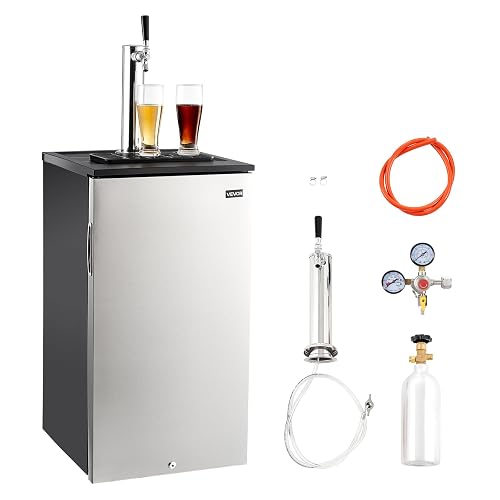
 Best for pressure fermentationVEVORfor Wine and Beer Brewing, All-in-One Design Supports Secondary FView on Amazon
- 5
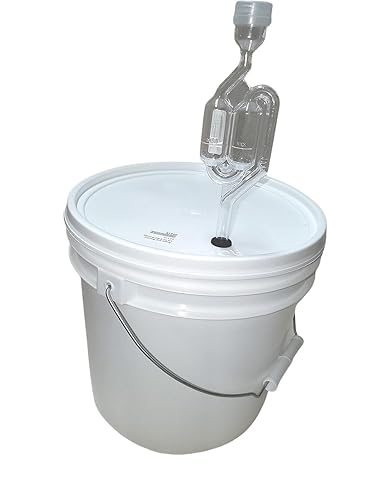 Best budget pick2 Gallon Primary Fermenter with Lid and AirlockView on Amazon
Our Top Picks
| Product | Best for | Key feature |
|---|---|---|
| FastRack 2 Gallon Fermentation Bucket | Overall use | Grommeted lid with airlock |
| Twin Bubble Airlock Fermenter Kit (4 Pcs) | Multi-batch brewing | Four-piece set |
| FastRack 1 Gallon Fermonster Carboy | Watching fermentation | Clear wide-mouth PET body |
| VEVOR 8 Gallon Conical Bucket | Pressure fermentation | Stainless steel, 15 PSI rating |
| 2 Gallon Primary Fermenter with Lid | Budget setups | Lid and airlock included |
FastRack 2 Gallon Fermentation Bucket with Lid, Grommet & twin bubble airlock (3 Pack)
FastRack 2 Gallon Fermentation Bucket with Lid, Grommet & twin bubble airlock (3 Pack)|HDPE Brew Bucket with Handle & Grommeted Lid |BPA-Free Fermenter Ideal for Beer, Wine, Mead, Cider & Food Storage
Best for: Overall use and a sealed primary fermentation step.
This food-grade HDPE bucket suits brewers who want a sturdy, handled vessel that works for beer, wine and mead without extra fittings.
Pros
- Grommeted lid accepts a standard airlock
- Pack of three covers several batches
Cons
- Opaque walls hide fermentation activity
Twin Bubble Airlock Grommets Lid Brewing, Wine Fermenter Fermentation Kit, 4 Pcs White 2 Gallon
with Twin Bubble Airlock Grommets Lid Brewing, Wine Fermenter Fermentation Kit, Home Beer Wine Mead Other Fermented Beverage 4 Pcs White 2 Gallon Fermentation Bucket for Fermented Beverage
Best for: Multi-batch brewing with spare parts on hand.
Brewers running a regular schedule often find a four-piece kit useful, since one vessel can ferment while another is cleaned and prepared.
Pros
- Four pieces support back-to-back batches
- Twin bubble airlocks are included
Cons
- Lids can be snug to seat on the first use
FastRack 1 Gallon (PET) Wide Mouth Fermonster Carboy with Airtight Lid
FastRack 1 Gallon (PET) Wide Mouth Fermonster Carboy with Airtight Lid | Includes #10 Drilled Stopper & Twin Bubble Airlock | Clear Plastic Fermenter for Wine, Beer & Mead
Best for: Watching fermentation and spotting problems early.
The clear PET body lets you see krausen and sediment, which helps brewers who like to monitor activity closely.
Pros
- Clear walls show fermentation progress
- Wide mouth makes adding ingredients easier
Cons
- Smaller 1 gallon capacity limits batch size
VEVOR for Wine and Beer Brewing, Pressure Fermenter 15 PSI, 8 Gallon Stainless Steel Conical Bucket
VEVORfor Wine and Beer Brewing, All-in-One Design Supports Secondary Fermentation and Convenient Home Batch Preparation Tasks Pressure Fermenter 15 PSI, 8 Gallon Stainless Steel Conical Bucket
Best for: Pressure fermentation and secondary-style workflows.
Brewers who want to step up from a plastic bucket and experiment with conical or pressurized fermentation may find this stainless option appealing.
Pros
- Stainless steel resists scratches and staining
- Listed 15 PSI rating suits pressure work
Cons
- Much larger than a 2 gallon batch needs
2 Gallon Primary Fermenter with Lid and Airlock
2 Gallon Primary Fermenter with Lid and Airlock
Best for: Budget setups and first-time brewers.
A simple bucket with lid and airlock covers the basics for a first kit brew without adding unnecessary features.
Pros
- Lid and airlock come together
- Simple design is easy to clean
Cons
- Fewer extras than multi-piece kits
Buying Guide
Seal and lid design
Look for a lid with a grommet sized for a standard airlock and a gasket that presses flat. A loose seal lets oxygen in and can invite contamination during active fermentation.
Material
Food-grade HDPE and PET are common for plastic fermenters and are easy to sanitize. Stainless steel lasts longer but costs more in space and weight.
Clear or opaque walls
Clear vessels let you watch activity, while opaque buckets block light, which helps protect beer from light-struck flavors during long ferments.
Capacity versus batch size
Mr Beer-style kits usually yield about 2 gallons, so a vessel with some headspace prevents foam from blowing out.
Good picks for this: FastRack 2 Gallon Fermentation Bucket and 2 Gallon Primary Fermenter with Lid and Airlock.
FAQ
Is a 2 gallon fermenter big enough for a standard Mr Beer kit?
Yes, a 2 gallon fermenter is designed to hold a standard Mr Beer batch with room left for foam during active fermentation. Leaving some headspace helps prevent krausen from clogging the airlock. Always check the fill line on the specific bucket you choose before brewing.
Do I need an airlock for a 2 gallon fermenter?
An airlock is strongly recommended because it lets carbon dioxide escape while keeping air and contaminants out. Without one, you risk oxidation and infection, which can spoil the beer. Most of the options in this list include a twin bubble airlock, so you may not need to buy one separately.
Can I use a 2 gallon fermenter for wine, mead or cider?
Many 2 gallon fermenters are food-safe and can be used for wine, mead and cider as well as beer. Make sure the material is listed as food grade and suitable for fermentation before using it for other beverages. Clean and sanitize the bucket thoroughly between different types of batches.
What is the difference between a bucket and a carboy?
A bucket is typically wider and easier to access, which makes it convenient for mixing and adding ingredients. A carboy has a narrower neck and clear walls, so you can watch fermentation, but it can be harder to clean. Your choice depends on whether you prioritize accessibility or visibility.
How do I clean and sanitize my fermenter between batches?
Rinse the fermenter right after use, then wash it with warm water and a non-scented cleaner to remove residue. Sanitize all surfaces, including the lid, grommet and airlock, with a no-rinse sanitizer before each new batch. Let everything air dry or drain fully before you add wort or must.
How long should I leave beer in a 2 gallon fermenter?
Fermentation time varies by recipe and yeast, but most homebrew beers need one to two weeks in the primary fermenter. Wait until bubbling in the airlock has slowed significantly and the gravity reading is stable before moving on. Patience at this stage usually results in cleaner-tasting beer.
Conclusion
If you want a complete, ready-to-use setup and mainly brew one batch at a time, the best overall FastRack bucket pack is a strong starting point, since it includes the lid, grommet and airlock. If you plan to brew frequently or want spare fermenters on hand, the multi-pack options give you more flexibility at the same capacity.
For those who want to watch fermentation closely or try a different style of vessel, the clear carboy is the better fit, while the larger pressure fermenter suits brewers who plan to move into bigger batches later. Match the fermenter to your batch size, how often you brew and how much cleaning you are willing to do.
Related reading
- Mr Beer 1 Gallon Fermenter: A Step-by-Step Guide for Beginners
- Mr Beer 2G Fermenter: Step-by-Step Setup and Brew Day Tips
- White Film on Beer in Fermenter: What It Is and How to Fix It
About Caleb Morgan
Caleb Morgan is part of our editorial team and reviews and edits our home brewing guides, checking product details against manufacturer specifications and owner feedback.