By Caleb Morgan
Updated November 2026
If you are wondering how much does a kegerator cost, the short answer is that it depends mostly on whether you buy new or used, how many taps you want, and whether the unit comes with a built-in tower and CO2 system. This guide walks through the main cost factors so you can set a realistic budget and avoid paying for features you will never use. You will also see where a flea-market-style approach can stretch your money a long way.
Know the Main Kegerator Types Before You Shop
Kegerators fall into a few broad categories, and each one sits at a different spot on the cost ladder. A single-tap mini unit designed for a small keg is the lowest-cost option. A full-size chest or upright model with a collar for a standard keg, plus a tower and faucet, costs more. Multi-tap units with separate cooling zones sit at the top end.
Shopping for one? See our guide: 7 Best Beer Taps for Kegerator Options for Home Bars (2026).
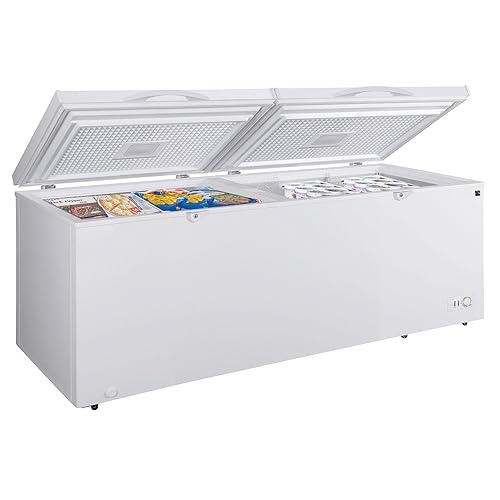
Converting an existing fridge or freezer is often the cheapest route. You supply the appliance, then add a conversion collar, tower, faucet, regulator and CO2 setup. Some builders also add a dual-zone layout so one section runs warmer for wine or kombucha. Think about your target keg size first, since Keg Sizes for Kegerator: Which Size Fits Your Home Bar (2026) will help you decide whether a unit that handles Corny kegs or pony kegs makes more sense.
Factors That Push the Price Up or Down
Several variables control what you will spend. Work through these in order:
- New versus used. Used chest freezers and older refrigerators are common on local listings and can cut the appliance cost sharply, though you should check the compressor and seals before paying.
- Number of taps. Each additional faucet adds tubing, a shank, a tap body and more plumbing. A single tap is the baseline.
- Tower and faucet quality. Stainless or chrome towers cost more than basic plastic ones. Stainless is generally better for cleaning and durability.
- CO2 system. A regulator, tank and fittings can add meaningful cost. Tank refills vary by region, so compare options before committing.
- Cooling capacity. Larger units that hold multiple kegs need more cooling power, which usually means a higher purchase price.
- Extras. Drip trays, lighting, locks and casters are optional but add up.
Building a Budget Kegerator Step by Step
If you want to keep costs low, the flea-market approach works well. Follow these steps:
- Find a used chest freezer or small fridge in good working order. Plug it in for at least 24 hours and confirm it holds a steady temperature near 38 degrees F.
- Choose a conversion collar that matches the freezer or fridge opening and your keg type.
- Buy a tower, faucet and shank. Start with a single tap so you can add more later.
- Add a CO2 regulator and tank. Check whether you can refill locally rather than exchanging at a retailer.
- Run beer lines at a length that balances pour speed and foam control. Test the system with water before tapping real beer.
If you plan to convert a mini unit instead, Mini Fridge to Kegerator Conversion Kit: 6 Best Picks for Home Bars (2026) covers kits that simplify the setup.
Common Mistakes That Add Hidden Cost
- Skipping a temperature check on a used appliance, which can lead to foamy pours and wasted beer.
- Buying a tower before confirming the faucet thread matches your shank.
- Choosing a regulator without checking the pressure range your keg style needs.
- Overbuying taps you will not use for months.
- Ignoring keg size, which can force a second purchase later.
Recommended Gear
- Conversion collar for a chest freezer: The collar holds the tower and keeps the setup stable on a used appliance. Search for View on Amazon.
- Digital thermometer: A simple probe lets you confirm the interior stays near serving temperature before you invest in kegs. Search for View on Amazon.
- Dual gauge CO2 regulator: It shows both tank pressure and line pressure so you can dial in carbonation. Search for View on Amazon.
FAQ
Is a used kegerator a good way to save money?
It can be, as long as the cooling system runs well and holds a steady temperature. Test the unit before paying, and inspect door seals and the compressor.
Does the number of taps change the price a lot?
Yes. Each extra tap adds faucet, tubing and tower parts, so multi-tap builds cost more than single-tap setups.
Should I consult a professional before wiring a CO2 system?
For gas fittings and regulators, follow the manufacturer’s instructions closely, and consult a qualified professional if you are unsure about connections or leak testing.
Conclusion
A kegerator can cost anywhere from a modest conversion project to a fully built multi-tap unit, and the biggest factors are new versus used, tap count and the quality of the tower and CO2 system. Decide your keg size and tap needs first, then build around them. A careful used-appliance build is often the best value for home brewers.
Related reading
Ready to choose one?
About Caleb Morgan
Caleb Morgan is part of our editorial team and reviews and edits our home brewing guides, checking product details against manufacturer specifications and owner feedback.