 By Caleb Morgan
Updated November 2026
Converting a fridge into a kegerator lets you serve draft beer at home from a keg, with the right temperature and carbonation held steady for weeks. The job comes down to three things: a fridge that holds a cold, stable temperature, a tap tower and faucet mounted through the door, and a gas line running from a CO2 tank to the keg. Most of the work is in the plumbing and the balance of pressure, not in the cooling itself.
Choose the Right Fridge
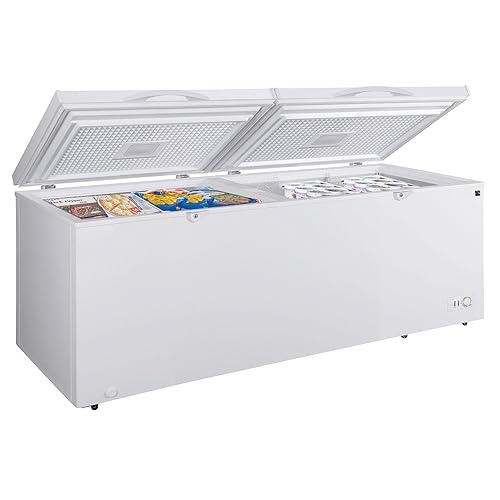
A standard top-freezer or a full-size fridge works, but a dedicated beer fridge or a chest freezer with a temperature controller is easier to fit. Kegs are wide and tall, so measure the interior height with the tap tower included, and check that the keg will sit upright with clearance above it. Plan on the fridge running between 36 and 40°F for serving. Many guides recommend a temperature controller so the compressor does not run continuously at its coldest setting.
Shopping for one? See our guide: Turn Mini Fridge Into Kegerator: 6 Best Kits and Units Compared (2026).
Install the Tap Tower and Faucet
Drill a hole through the fridge door near the top, big enough for the shank and the tower base. Many owners use a flange-mount tower and seal it with food-safe silicone or the gasket that comes with the kit. Run the beer line from the keg coupler, through the fridge, and up to the faucet shank. Keep the line as short as practical, because longer runs slow the flow and can cause foaming.
Mount the Coupler and Keg
- Attach the keg coupler to the keg with the poppet valve facing the correct way for your coupler type (check whether it is ball lock or pin lock).
- Connect the gas line to the gas post and the beer line to the liquid post.
- Set the keg on the fridge floor, upright, with the lines routed out of the fridge without kinks.
Set Up the CO2 System
Connect a CO2 regulator to your tank, then run gas tubing to the keg. Set the regulator to a low working pressure first. Typical ales are carbonated around 10 to 12 psi at serving temperature, and lagers often sit a bit higher, but the right figure depends on the beer style and the volume of CO2 you want. Check every fitting with a little soapy water. Bubbles mean a leak, and a leak will starve the keg and waste gas.
Balance Line Length and Pressure
Beer line resistance and gas pressure work together. If pours are too foamy, the usual fix is a longer beer line or a lower gas pressure, not a higher one. Leave the system for at least 24 hours after changing pressure so the beer settles before you judge the pour.
Checklist: What You Need
- Fridge with enough interior height for the keg and tower
- Temperature controller (optional but useful)
- Tap tower, shank, faucet, and mounting flange
- Keg coupler matching your keg type
- Beer line (vinyl or barrier tubing) and gas line
- CO2 tank with a two-gauge regulator
- Food-safe sealant or gasket, drill, and hole saw
Common Mistakes
- Running the beer line too short, which causes foamy pours.
- Skipping a leak check on the gas fittings.
- Setting the fridge too cold, which can freeze the beer.
- Pouring before the beer has settled after a pressure change.
- Leaving the door seal unsealed around the tower, which lets warm air in.
Recommended Gear
- Temperature controller: keeps the fridge steady at serving temperature so the beer does not over-chill or warm up. View on Amazon
- Two-gauge CO2 regulator: lets you read tank pressure and set the serving pressure separately. View on Amazon
- Keg coupler: matches your keg type and connects gas and beer lines. View on Amazon
For more on building a complete setup, see Kegerator and Fridge Combo: How to Build One That Works (2026) and Co2 Bottle for Kegerator: A Step-by-Step Guide to Choosing and Connecting. If you are still choosing a unit, 5 Best Mini Fridge Into Kegerator Conversions for Home Bars (2026) compares ready-made options.
FAQ
Can any fridge be converted into a kegerator?
Most fridges can be converted if the interior is tall and wide enough for a keg and the door can take a tap tower. Chest freezers with a temperature controller are often the easiest choice.
What temperature should a kegerator run at?
Most beers are served between 36 and 40°F. Lagers often taste best toward the colder end, while ales are usually served a few degrees warmer.
Do I need a professional to install the gas line?
The work is straightforward for most home brewers, but a qualified professional can check gas and electrical connections if you are unsure. Consult one if you have any doubts about the safety of your setup.
Conclusion
Converting a fridge into a kegerator comes down to a cold, stable box, a properly mounted tap, and a gas system set at the right pressure. Get the line length right, check every fitting for leaks, and give the beer time to settle after each change. With those steps done, you can pour consistent draft beer at home.
Ready to choose one?
About Caleb Morgan
Caleb Morgan is part of our editorial team and reviews and edits our home brewing guides, checking product details against manufacturer specifications and owner feedback.