 By Caleb Morgan
Updated November 2026
Learning how to make a beer kegerator usually means choosing the right parts: a cooling source, a tap system, clean beer lines and a cabinet that holds a keg upright. The five options below were selected by comparing manufacturer specifications, the scope of each kit, and the patterns owners tend to report about fit, installation and upkeep. Each one covers a different stage of the build.
Our top picks at a glance
- 1
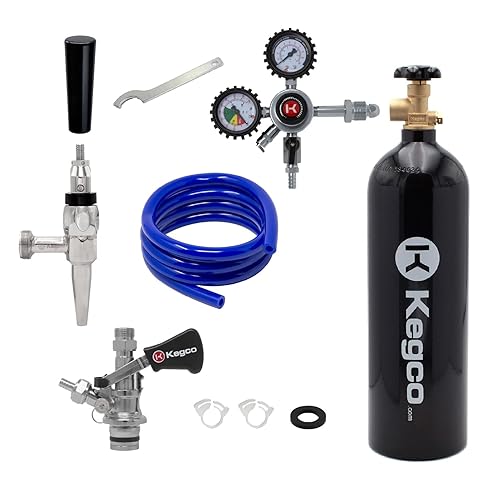 TOP CHOICEBest overallKegco Single Tap Guinness® Kegerator Conversion KitView on Amazon
- 2
 TOP CHOICEBest for line cleaningBar-King Quick-Connect Kegerator Beer Line Cleaning kitView on Amazon
- 3
 TOP CHOICEBest for small buildsRichard Bergendi Home Draught Beer PumpView on Amazon
- 4
 Best tap upgradeBeer Faucet with Kegerator Line for Beer Tap TowerView on Amazon
- 5
 Best cabinetFreestanding Reversible-Door Kegerator CabinetView on Amazon
Our Top Picks
Before you buy, decide whether you are starting from a fridge, a chest freezer or an existing cabinet. That choice sets which of these parts you need. For a full build, you will also want a reliable Tower Cooler for Kegerator: How to Choose and Install One (Step-by-Step) and a clear plan for How to Clean Kegerator Beer Lines: A Step-by-Step Guide for Home Brewers.
Kegco Single Tap Guinness® Kegerator Conversion Kit
Kegco Single Tap Guinness® Kegerator Conversion Kit
Best for: Converting an existing fridge or chest freezer into a single-tap kegerator.
This suits builders who want a complete starting point and are comfortable with basic wiring and drilling for the faucet shank.
Key specs:
- Single-tap configuration
- Designed for Guinness-style draft setups
- Includes conversion components
Pros:
- Complete starting kit
- Clear single-tap layout
- Good match for stout fans
Cons:
- Limited to one tap
- Requires some install work
Bottom line: The best fit for a first conversion that focuses on one dependable draft line.
Bar-King Quick-Connect Kegerator Beer Line Cleaning kit
Bar-King Quick-Connect Kegerator Beer Line Cleaning kit. Now Clean Your Beer Lines as Easily as Changing a Keg. (Includes Cleaning Powder)
Best for: Keeping beer lines clean between kegs.
Owners who notice off flavors or foam problems often find that dirty lines, not the keg, are the cause. This kit targets that maintenance step.
Key specs:
- Quick-connect cleaning setup
- Designed for kegerator beer lines
Pros:
- Simplifies line cleaning
- Useful for any kegerator build
- Reduces off-flavor risk
Cons:
- Cleaning is still a recurring task
- Needs a cleaning solution on hand
Bottom line: Essential for anyone who keeps kegs on tap for more than a few weeks.
Richard Bergendi Home Draught Beer Pump
Richard Bergendi Home Draught Beer Pump, Beer kegerator, Beer Tap, Draft Beer Dispenser, Portable Mini Keg For All Can Beers, Ale, Birthday Gift for Men, Husband, Dad, Son, Beer Gifts For Men Black
Best for: A compact, portable draft setup.
This suits people who want to pour from a small keg without building a full cabinet. It is a useful entry point for testing how draft dispensing works.
Key specs:
- Portable mini-keg design
- Pump-style dispensing
Pros:
- Small footprint
- Easy to move
- Low commitment to start
Cons:
- Not a true kegerator cabinet
- Limited cooling control
Bottom line: A practical choice for a small or temporary setup.
Beer Faucet with Kegerator Line for Beer Tap Tower
Beer Faucet with Kegerator Line for Beer Tap Tower, Self-Closing Beer Tap, 3/16” Beer Tubing 1/4”Keg Coupler Barb Draft Beer Faucet Shank Kit with Kegerator Parts Beer Hose Keg Coupler Barb
Best for: Upgrading the tap and line hardware on a tower build.
Builders who already have a tower and keg coupler often need a faucet and line that match. This listing covers those core pieces.
Key specs:
- Self-closing faucet
- 3/16 inch beer tubing
- 1/4 inch keg coupler connection
Pros:
- Self-closing shut-off
- Matches common line sizing
- Simple tower upgrade
Cons:
- Compatibility should be double-checked
- Requires a tower already installed
Bottom line: A good hardware upgrade for a tower-based kegerator.
Freestanding Reversible-Door Kegerator Cabinet
Freestanding Only, Reversible Door, Stores one standard ½ barrel, pony or two 1/6th or Cornelius corny kegs, Stainless Steel EdgeStar 20 Inch Wide Dual Tap Kegerator
Best for: A freestanding cabinet that holds full-size kegs.
This suits builders who want a finished cabinet rather than converting an appliance. It holds one standard half barrel, a pony keg, or two smaller corny kegs.
Key specs:
- Holds one standard half barrel
- Also fits pony or two corny kegs
- Reversible door
Pros:
- Flexible keg capacity
- Door can be hung either side
- Freestanding placement
Cons:
- Cooling must be added separately
- Takes up floor space
Bottom line: Best for a dedicated home bar build with room to spare.
Buying Guide
Cooling Source
Your cooling source determines whether the beer stays at a steady serving temperature. Many builders use a converted fridge or chest freezer with a temperature controller. Check that the unit can hold a stable temperature with the keg inside and that it has enough interior height for your keg and coupler.
Good picks for this: Kegco Single Tap Guinness® Kegerator Conversion Kit, Freestanding Reversible-Door Kegerator Cabinet
Tap and Line Compatibility
Line diameter, coupler type and faucet shank size must all match. Mismatched parts cause leaks and foaming. Confirm the tubing size and the keg coupler connection before ordering any hardware.
Good picks for this: Beer Faucet with Kegerator Line for Beer Tap Tower, Richard Bergendi Home Draught Beer Pump
Cabinet Size and Keg Fit
Measure the interior height and width before you choose a cabinet or appliance. A standard half barrel is tall, so the clearance between the top of the keg and the lid matters. Leave room for the coupler, the gas line and the regulator.
Good picks for this: Freestanding Reversible-Door Kegerator Cabinet, Kegco Single Tap Guinness® Kegerator Conversion Kit
Cleaning and Maintenance
Beer lines need regular cleaning, usually every few weeks, to prevent buildup and off flavors. Plan for a cleaning kit and a cleaning solution from the start. Easy access to the lines makes this task far less likely to be skipped.
Good picks for this: Bar-King Quick-Connect Kegerator Beer Line Cleaning kit
Intended Use
Decide how many taps you need and how often you will change kegs. A single-tap build suits casual drinkers, while a multi-keg cabinet suits frequent hosts. A portable pump is useful for small batches or temporary setups.
Good picks for this: Richard Bergendi Home Draught Beer Pump, Kegco Single Tap Guinness® Kegerator Conversion Kit
FAQ
Can I build a kegerator from a regular fridge?
Yes. Many builders convert a fridge or chest freezer by adding a collar, a temperature controller and a tap. The unit needs enough interior height for the keg and enough cooling capacity to hold a steady serving temperature.
How often should I clean the beer lines?
Clean them regularly, commonly every two to four weeks, or whenever you change kegs. Regular cleaning helps prevent off flavors and foam problems caused by buildup.
What tubing size is standard for a kegerator?
Many home setups use 3/16 inch beer tubing. Always confirm the size that your faucet and coupler require before buying line.
Do I need a gas regulator?
Yes, a regulator controls the carbon dioxide pressure going to the keg. Set it to suit the beer style and line length, and check the manufacturer’s guidance for your setup.
Is building a kegerator safe?
Working with gas cylinders and electrical appliances carries risk. Consult a qualified professional or follow the manufacturer’s instructions closely, especially for wiring and gas connections.
Conclusion
For a complete single-tap conversion, start with the Kegco kit. For ongoing upkeep, add the Bar-King cleaning kit. Choose the Richard Bergendi pump for a small portable setup, the faucet and line set for tower upgrades, and the freestanding cabinet when you want room for full-size kegs.
Sources
- Food safety guidance on handling and storing beverages at home (fda.gov)
- Energy-efficient appliance tips for refrigeration and cooling units (energy.gov)
Before you buy: helpful guides
Related reading
- How Long Does Keg Beer Last in a Kegerator? Timelines and Tips
- How Long Does Beer Stay Fresh in a Kegerator? A Practical Guide (2026)
- Wine Fridge Kegerator Combo: How to Build One for Your Home Bar (2026)
About Caleb Morgan
Caleb Morgan is part of our editorial team and reviews and edits our home brewing guides, checking product details against manufacturer specifications and owner feedback.