 By Graham Fisher
Updated November 2026
Choosing the best yeast for beer brewing can shape the flavor, clarity and fermentation speed of every batch you make. This list focuses on dry yeast packets that are widely available, well documented by manufacturers and popular with home brewers who want predictable results. Each pick is compared on strain type, the beer styles it suits, and how forgiving it is for brewers still learning their process.
Our top picks at a glance
- 1
 TOP CHOICEBest overallFermentis SafAle US-05View on Amazon
- 2
 TOP CHOICEBest for New England IPAsLalBrew New England Ale YeastView on Amazon
- 3
 TOP CHOICEBest for English alesLalBrew NottinghamView on Amazon
- 4
 Best multi-pack valueLalBrew Nottingham (2 Pack)View on Amazon
- 5
 Best for hoppy IPAsLalBrew Verdant IPA (2 Pack)View on Amazon
- 6
 Best budget pickRed Star Distiller's YeastView on Amazon
- 7
 Best for dry, high-alcohol cider and wineLalvin EC-1118 Champagne YeastView on Amazon
Our Top Picks
| Product | Best for | Key feature |
|---|---|---|
| Fermentis SafAle US-05 | Most American ales | Clean, neutral fermentation |
| LalBrew New England Ale Yeast | Hazy New England IPAs | Fruity esters and soft mouthfeel |
| LalBrew Nottingham | English-style ales | Good attenuation at cool temperatures |
| LalBrew Nottingham (2 Pack) | Frequent brewers | Two sachets for repeat batches |
| LalBrew Verdant IPA (2 Pack) | Hop-forward IPAs | Low-ester profile that lets hops shine |
| Red Star Distiller’s Yeast | Budget ales and experiments | Fast, robust fermentation |
| Lalvin EC-1118 Champagne Yeast | Dry, strong cider and wine | High alcohol tolerance |
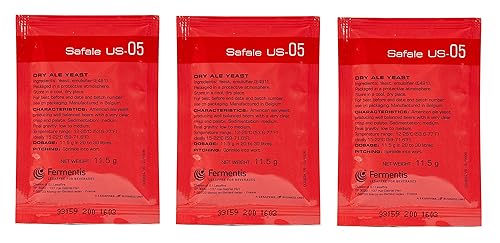
Fermentis SafAle US-05
North Mountain Supply – FT-05-3 Fermentis SafAle US-05 Beer/Ale Yeast – Pack of 3 – Fresh Yeast
Best for: Clean American ales and all-purpose brewing.
This is a go-to choice for brewers who want a neutral strain that lets malt and hops take center stage. It suits pale ales, IPAs and many styles where you want predictable, crisp results.
Key specs:
- Dry ale yeast, Saccharomyces cerevisiae
- Pack of 3 in this listing
- Typically ferments well in the mid-60s °F
Pros:
- Clean, neutral flavor profile
- Reliable fermentation
- Works across many styles
Cons:
- Less fruity character
- Not ideal for lagers
Bottom line: The safest first pick for most ale brewers.
LalBrew New England Ale Yeast
American Ale Yeast, Make Beer At Home, 11 g Sachets, Saccharomyces cerevisiae LalBrew New England Brewing Yeast (2-PK) Sold by CAPYBARA Distributors Inc.
Best for: Hazy, juicy New England-style IPAs.
Brewers chasing fruit-forward aromas and a soft, full mouthfeel often reach for this strain. It is aimed at the hazy IPA style that has grown popular among home brewers.
Key specs:
- Dry Saccharomyces cerevisiae ale yeast
- 11 g sachet
- Designed for American-style and hazy ales
Pros:
- Encourages fruity esters
- Supports soft, hazy body
- Easy to pitch
Cons:
- Haze depends heavily on grist and hops
- Can taste fruity in clean styles
Bottom line: Best if your focus is hazy IPAs.
LalBrew Nottingham
English Ale Yeast, Make Beer At Home, 11 g Sachets, Saccharomyces cerevisiae LalBrew Nottingham Brewing Yeast (1-PK) Sold by CAPYBARA Distributors Inc.
Best for: English-style ales and cask-style beers.
This strain is a favorite for brewers who want good attenuation and a clean finish in English bitters, porters and browns. It is also tolerant of a wider temperature range than many ale strains.
Key specs:
- Dry Saccharomyces cerevisiae ale yeast
- 11 g sachet
- Known for good flocculation
Pros:
- Clears well after fermentation
- Dries out malt nicely
- Versatile across English styles
Cons:
- Subtle ester profile may disappoint some
- Single sachet may be too small for big batches
Bottom line: A strong choice for British-style beers.
LalBrew Nottingham (2 Pack)
LalBrew Nottingham Brewing Yeast (2 Pack) – Make Beer at Home – 11 g Sachets – Saccharomyces cerevisiae – Sold by CAPYBARA Distributors Inc.
Best for: Brewers who ferment often and want a backup on hand.
This two-pack version of the Nottingham strain suits brewers who brew regularly and prefer to keep spare sachets in the cupboard. It is the same strain with more stock per order.
Key specs:
- Two 11 g sachets
- Saccharomyces cerevisiae ale strain
- Designed for home brewing
Pros:
- Enough for two batches
- Good for repeat English-style brews
- Stores well when kept cool and dry
Cons:
- Only useful if you brew that style
- Opened sachets should be used promptly
Bottom line: Ideal for frequent English-style brewers.
LalBrew Verdant IPA (2 Pack)
LalBrew Verdant IPA Brewing Yeast (2 Pack) – Make Beer at Home – 11 g Sachets – Saccharomyces cerevisiae – Sold by CAPYBARA Distributors Inc.
Best for: Hop-forward IPAs where the hops should stay in front.
This strain is built for brewers who want the hop character to lead, with less yeast-driven fruitiness getting in the way. It is a sensible pick for West Coast-style IPAs.
Key specs:
- Two 11 g sachets
- Saccharomyces cerevisiae ale strain
- Marketed for IPA brewing
Pros:
- Lets hop aroma stand out
- Two sachets per pack
- Clean fermentation profile
Cons:
- Less suited to hazy styles
- Less character in malt-forward beers
Bottom line: A good match for dry-hopped West Coast IPAs.
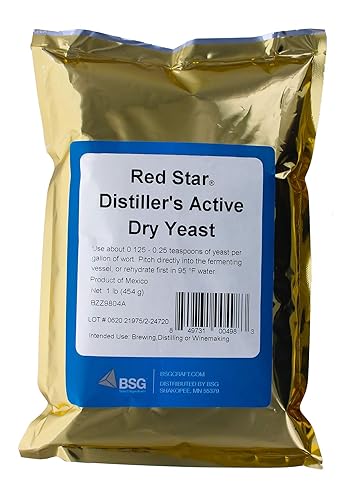
Red Star Distiller’s Yeast
Red Star Distiller's Yeast (DADY), 1 lb.
Best for: Budget-minded ales and high-gravity experiments.
Distiller’s yeast is a robust, fast-acting strain that many brewers use for strong beers and as an economical general-purpose option. It tolerates higher alcohol than many ale yeasts, though its flavor is less refined.
Key specs:
- Dry Saccharomyces cerevisiae, 1 lb package
- Fast fermentation
- High alcohol tolerance
Pros:
- Large quantity for the money
- Vigorous fermentation
- Good for strong beers
Cons:
- Can produce off-flavors if overpitched
- Less nuanced than dedicated brewing strains
Bottom line: Best for brewers who prioritize volume and strength.
Lalvin EC-1118 Champagne Yeast
Champagne Yeast, Make Wine Cider Mead Kombucha At Home, 5 g Sachets, Saccharomyces cerevisiae Lalvin EC-1118 Wine Yeast (10 Pack) – Sold by CAPYBARA Distributors Inc.
Best for: Dry, strong cider, mead and wine, with occasional beer use.
This wine strain is included here because it handles high alcohol and dries out fermentations thoroughly. It is best reserved for beers that benefit from a very dry, cider-like finish.
Key specs:
- Dry Saccharomyces cerevisiae, 5 g sachet
- Known for high alcohol tolerance
- Commonly used for cider and mead
Pros:
- Very dry finish
- Tolerates high alcohol
- Widely used and well documented
Cons:
- Produces little yeast character in beer
- Not designed as a beer strain
Bottom line: Useful for dry, high-gravity or cider-style brews.
Buying Guide
Yeast Type: Ale or Lager
Ale yeasts ferment warm and produce fruity esters that suit most home-brewed styles. Lager yeasts need cooler temperatures and a longer, colder process. Check the label before buying, since a lager strain will not give proper results in an ale schedule.
Good picks for this: Fermentis SafAle US-05, LalBrew Nottingham
Flavor Profile and Beer Style
Some strains are neutral and let malt and hops lead, while others add esters like banana, pear or stone fruit. Match the yeast to your recipe. Hazy IPAs often benefit from fruity strains, while crisp pale ales usually do not.
Good picks for this: LalBrew New England Ale Yeast, LalBrew Verdant IPA (2 Pack)
Attenuation and Alcohol Tolerance
Attenuation describes how much sugar the yeast consumes, which affects dryness and final gravity. High-gravity beers need a strain that tolerates alcohol without stalling. Manufacturers usually list attenuation and tolerance ranges, so compare them against your target ABV.
Good picks for this: Red Star Distiller’s Yeast, Lalvin EC-1118 Champagne Yeast
Packaging and Freshness
Dry yeast keeps well when stored cool and sealed, but viability drops over time. Check the packaging date, and buy from sellers with steady turnover. Multi-packs suit brewers who ferment often, while single sachets suit occasional brewing.
Good picks for this: LalBrew Nottingham (2 Pack), Fermentis SafAle US-05
Temperature Range
Each strain has a recommended fermentation range. Running too warm can add harsh fusel alcohols, while running too cold can slow fermentation. Use a thermometer and a temperature-controlled space to keep your fermentation stable.
Good picks for this: LalBrew Nottingham, Fermentis SafAle US-05
FAQ
Can I use wine yeast for beer?
You can, but wine strains usually produce little beer character and can give a very dry, cider-like result. They are best suited to specific high-gravity or dry beers rather than everyday brewing.
How much yeast do I need for a 5-gallon batch?
A single 11 g dry sachet is the standard amount for most 5-gallon ale batches. High-gravity beers may benefit from a second sachet or a starter, so check the manufacturer’s guidance for your gravity.
Should I rehydrate dry yeast before pitching?
Many brewers rehydrate dry yeast in sterile water at a warm temperature before pitching, which can improve viability. Follow the instructions printed on the packet, since recommendations vary by strain.
How long does dry yeast last?
Unopened dry yeast stored cool and sealed can keep for a long time, but viability declines with age and heat. Check the packaging date and use older stock in a starter or with extra sachets to be safe.
Is this information a substitute for professional advice?
This guide offers general brewing information. For questions about food safety or home fermentation problems, consult a qualified brewing professional or a local extension service.
Conclusion
For most brewers, Fermentis SafAle US-05 is the most dependable starting point. Choose LalBrew New England Ale Yeast for hazy IPAs, LalBrew Nottingham for English styles, and LalBrew Verdant IPA for hop-forward beers. Red Star Distiller’s Yeast suits budget and high-gravity projects, while Lalvin EC-1118 is best kept for dry, strong brews.
Sources
- Research-based guidance on home fermentation and yeast handling (extension.org)
- Food safety information on fermentation and storage practices (usda.gov)
Before you buy: helpful guides
Related reading
- Whistler Brewing Gluten Free Beer: 6 Best Picks for Celiac-Safe Brews (2026)
- What Do You Need for Home Brewing Beer? 6 Best Starter Kits and Books (2026)
About Graham Fisher
Graham Fisher is part of our editorial team and reviews and edits our home brewing guides, checking product details against manufacturer specifications and owner feedback.