 By Graham Fisher
Updated November 2026
If you are wondering what do you need for home brewing beer, the honest answer is a short list of equipment, a few ingredients, a sanitizer, and one good reference book to keep you on track. The products below cover that range, from all-in-one kits that bring everything in one box to bench-level guides that explain the science behind each step. We judged each option on how completely it covers a first batch, how clear its instructions are, how well it matches what beginners typically report struggling with, and how much value it gives a budget-minded brewer.
Our top picks at a glance
- 1
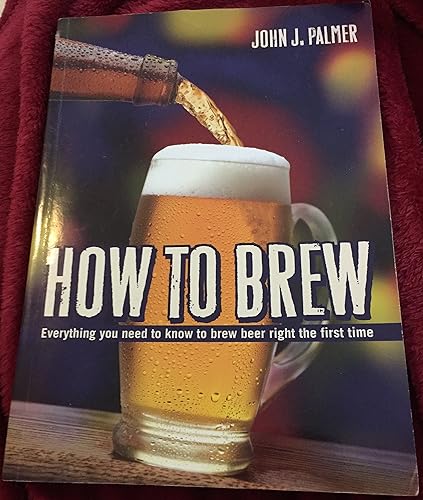 TOP CHOICEBest overallHow to Brew: Everything You Need To Know To Brew Beer Right The First TimeView on Amazon
- 2
 TOP CHOICEBest for complete beginnersMr. Beer Craft Beer Making Kit (2 Gallon)View on Amazon
- 3
 TOP CHOICEBest for classic reference shelfThe Complete Joy of Homebrewing: Fully Revised and UpdatedView on Amazon
- 4
 Best for deeper technical studyMastering Homebrew: The Complete Guide to Brewing Delicious BeerView on Amazon
- 5
 Best small-batch kitCraft A Brew Oktoberfest Ale 1 Gallon Starter KitView on Amazon
- 6
 Best budget pick for a full 5-gallon batchCraft A Brew The Everyday 5 Gallon Beer Brewing KitView on Amazon
Our Top Picks
Before you spend money on either a kit or a book, it helps to know what a first batch of beer actually requires. At minimum you need a fermentation vessel with an airlock, a large brew pot or kettle, a sanitizer, a siphon or transfer tube, a hydrometer for measuring gravity, bottles or a keg with a way to carbonate, and ingredients: malt extract or grain, hops, yeast, and water. Many beginners also use a thermometer and a bottle capper. The picks below either bundle these items or teach you how to use them well.
Quick Comparison
| Product | Best for | Key feature |
|---|---|---|
| How to Brew | Learning the full process | Step-by-step guide from equipment to bottling |
| Mr. Beer Craft Beer Making Kit (2 Gallon) | Complete beginners | Everything included in one box, with reusable bottles |
| The Complete Joy of Homebrewing | Long-term reference | Fully revised, broad coverage of styles and methods |
| Mastering Homebrew | Brewers ready to go deeper | Detailed guide to recipe design and brewing science |
| Craft A Brew Oktoberfest Ale 1 Gallon Kit | Small-batch trial brews | Compact one-gallon recipe with included equipment |
| Craft A Brew Everyday 5 Gallon Kit | Standard-size first batch | Full 5-gallon yield with ingredients and instructions |
How to Brew: Everything You Need To Know To Brew Beer Right The First Time
How to Brew: Everything You Need To Know To Brew Beer Right The First Time
Best for: Learning the full brewing process before buying equipment
This book suits someone who wants to understand every stage of brewing, from mashing and boiling to fermentation and packaging, before committing to gear. It is a good companion if you plan to buy a kit separately and want a single, organized explanation of why each step matters.
Key specs
- Format: printed book
- Focus: beginner-level brewing fundamentals
- Covers the complete process from start to finish
Pros
- Explains the reasoning behind each step, not just the steps
- Useful for troubleshooting when a batch goes wrong
- Works alongside any equipment setup
Cons
- Contains no equipment, so you must buy everything separately
- Less depth for brewers who want advanced recipe design
Bottom line: A strong first purchase for anyone who wants to learn the process properly before spending on gear.
Mr. Beer Craft Beer Making Kit (2 Gallon)
Mr. Beer – Craft Beer Making Kit (2 Gallon) Complete DIY Home Brew Set | Beer Making Kit for Beginners Everything Included | Reusable 25 oz Bottles | 2 Gallon Keg | Golden Ale
Best for: Complete beginners who want everything in one box
This kit suits someone who wants to brew a first batch without sourcing equipment piece by piece. The listing describes a complete set with a 2 gallon keg, reusable bottles, and the ingredients for a golden ale, so the main decision is whether a two-gallon batch size fits your plans.
Key specs
- Batch size: 2 gallons (per listing)
- Style: Golden Ale (per listing)
- Includes reusable 25 oz bottles and a 2 gallon keg (per listing)
Pros
- Everything needed for a first batch is included
- Reusable bottles reduce ongoing packaging costs
- Small batch size limits the cost of a learning mistake
Cons
- Two-gallon batches run out quickly for regular drinkers
- Kit-based recipes leave little room for customizing the beer
Bottom line: Best for someone who wants the simplest possible start with no sourcing required.
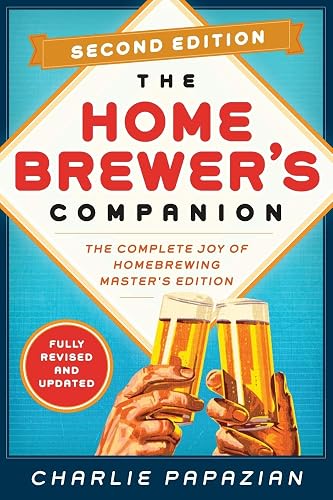
The Complete Joy of Homebrewing: Fully Revised and Updated
The Complete Joy of Homebrewing: Fully Revised and Updated ― A Home Beer Brewing Guide
Best for: A long-term reference that covers many beer styles
This is a widely known homebrewing guide, and the revised edition is aimed at brewers who will keep returning to it as their skills grow. It suits readers who want broad coverage of styles, ingredients, and methods rather than a single kit walkthrough.
Key specs
- Format: printed book, fully revised edition (per listing)
- Scope: broad homebrewing guide covering beer making
Pros
- Covers a wide range of beer styles and techniques
- Good reference for both extract and all-grain approaches
- Often recommended as a long-term shelf book
Cons
- Can feel dense for a brewer who only wants a first batch
- Does not supply any equipment or ingredients
Bottom line: A good pick for brewers who want one comprehensive book to grow with them.
Mastering Homebrew: The Complete Guide to Brewing Delicious Beer
Mastering Homebrew: The Complete Guide to Brewing Delicious Beer (Beer Brewing Bible, Homebrewing Book)
Best for: Brewers ready to move beyond basic recipes
This guide suits someone who has finished a first batch or two and wants to understand recipe formulation, ingredient selection, and process control in more depth. It is less about getting started and more about refining results.
Key specs
- Format: printed book (per listing)
- Focus: complete guide to brewing delicious beer
Pros
- Useful once you start designing your own recipes
- Explains how ingredient choices affect flavor
- Pairs well with a kit you already own
Cons
- Assumes some familiarity with basic brewing terms
- Not a substitute for hands-on practice
Bottom line: Better suited to a second or third batch than to a true first purchase.
Craft A Brew Oktoberfest Ale 1 Gallon Starter Kit
Craft A Brew – Oktoberfest Ale – Beer Making Kit – Make Your Own Craft Beer – Complete Equipment and Supplies – Starter Home Brewing Kit – 1 Gallon
Best for: Small-batch trial brews
A one-gallon kit lets you learn the process without committing to a large volume of beer. It suits someone curious about brewing who wants to test a style before scaling up, or who has limited space for fermentation.
Key specs
- Batch size: 1 gallon (per listing)
- Style: Oktoberfest Ale (per listing)
- Includes complete equipment and supplies (per listing)
Pros
- Compact footprint suits small kitchens
- Low-stakes way to learn sanitizing and fermentation
- Includes equipment and ingredients together
Cons
- One gallon yields only about ten 12-ounce bottles
- Equipment is sized for small batches, so upgrading later means more purchases
Bottom line: A sensible choice if you want to try brewing in a small space before investing more.
Craft A Brew The Everyday 5 Gallon Beer Brewing Kit
Craft A Brew – The Everyday 5 Gallon Beer Brewing Kit – Hefeweizen Recipe – Easy for Beginners – At Home Beer Making Kit – Equipment, Ingredients & Instructions Included – Brews 5 Gallon Batch
Best for: A standard-size first batch on a budget
A five-gallon batch is the size most homebrewers work with, and this kit gives you a full-volume first brew with included ingredients and instructions. It suits someone who wants to skip the one-gallon stage and start with a batch that matches typical homebrew practice.
Key specs
- Batch size: 5 gallons (per listing)
- Style: Hefeweizen (per listing)
- Includes equipment, ingredients, and instructions (per listing)
Pros
- Full five-gallon yield matches standard homebrew recipes
- Instructions are included for a beginner-friendly process
- Good value for a complete first batch
Cons
- Five-gallon fermentation requires more floor and counter space
- Hefeweizen is a specific style that may not suit every palate
Bottom line: A practical budget pick for brewers ready to make a full batch from day one.
Buying Guide
Fermentation vessel and airlock
A fermenter holds the wort while yeast converts sugar to alcohol. Plastic buckets and glass carboys are the most common choices. Check that the vessel holds at least 1.25 times your batch size so the foam from active fermentation does not overflow, and confirm the airlock fits the lid snugly.
Good picks for this: Mr. Beer Craft Beer Making Kit (2 Gallon), Craft A Brew The Everyday 5 Gallon Beer Brewing Kit
Brew pot and heat source
For extract brewing, a pot holding at least 3 gallons is typical for a 2.5-gallon boil, while a 5-gallon batch usually calls for a kettle of 8 gallons or more. Stainless steel is the common material. Make sure the pot fits on your burner and that you have a way to cool wort quickly afterward.
Good picks for this: The Complete Joy of Homebrewing, How to Brew
Sanitizer and cleaning supplies
Anything that touches cooled wort must be sanitized, because bacteria can sour or spoil a batch. Most homebrewers use a no-rinse sanitizer and follow the contact time printed on the label. Clean first to remove residue, then sanitize, and let equipment air dry.
Good picks for this: Mastering Homebrew, Craft A Brew Oktoberfest Ale 1 Gallon Starter Kit
Measuring tools
A hydrometer tells you the sugar content of the wort before and after fermentation, which lets you estimate alcohol content. A thermometer helps you hit yeast-friendly temperatures. Many brewers also keep a graduated measuring vessel for water and extract.
Good picks for this: Mastering Homebrew, The Complete Joy of Homebrewing
Bottling or kegging setup
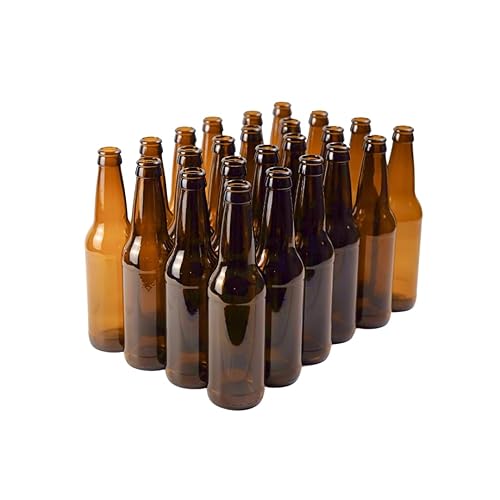
You can package beer in bottles, which requires a capper, caps, and bottles, or in a keg, which requires a gas source and regulator. Bottles are the simplest starting point. Reusable 25 oz bottles and a 2 gallon keg come bundled in some kits.
Good picks for this: Mr. Beer Craft Beer Making Kit (2 Gallon), Craft A Brew The Everyday 5 Gallon Beer Brewing Kit
Batch size and space
Match your batch size to how much beer you drink and how much room you have. One-gallon batches fit on a small counter, while five-gallon batches need a stable spot for a full carboy or bucket. Consider whether you have space to store finished beer at a steady temperature.
Good picks for this: Craft A Brew Oktoberfest Ale 1 Gallon Starter Kit, Craft A Brew The Everyday 5 Gallon Beer Brewing Kit
Learning resources
A reliable guide saves you from common mistakes such as poor sanitation, temperature swings, and premature bottling. Look for books that explain why each step matters, not only what to do. Pairing a guide with a starter kit is a common approach.
Good picks for this: How to Brew, The Complete Joy of Homebrewing
FAQ
What is the minimum equipment for a first batch of beer?
You need a fermentation vessel with an airlock, a brew pot, a sanitizer, a siphon or tube for transferring liquid, a hydrometer, a way to package the beer, and ingredients including malt, hops, yeast, and water. Many starter kits bundle these together.
Do I need all-grain equipment to start?
No. Most beginners start with malt extract, which skips the mashing step and needs only a pot and basic tools. All-grain brewing requires a mash tun, a larger kettle, and more time, so it usually comes after a few successful batches.
How long does a first batch take from start to finish?
Brewing day itself usually takes a few hours. Fermentation commonly runs one to two weeks, and bottle conditioning or carbonation typically needs another one to three weeks. Exact times depend on the style and temperature.
Can I brew beer in a small kitchen?
Yes. One-gallon and two-gallon kits fit on a small counter. Five-gallon batches need more room and a stable spot for fermentation. Keep the fermenter away from direct sunlight and drafts.
Is a book necessary if I buy a kit with instructions?
Kit instructions cover one recipe. A broader guide helps you understand sanitation, temperature control, and troubleshooting, which become more important as you brew different styles.
How do I know if my beer is safe to drink?
Sanitize all equipment that touches the cooled wort, keep fermentation temperatures within the yeast’s range, and check for off smells or visible mold before bottling. If you have questions about food safety, consult a qualified professional or your local extension service.
Conclusion
For most beginners, the simplest path is a complete kit paired with one clear guide. The Mr. Beer Craft Beer Making Kit (2 Gallon) suits someone who wants the least sourcing work, while the Craft A Brew Everyday 5 Gallon Kit fits brewers who want a standard full batch. Small-space brewers may prefer the one-gallon Oktoberfest kit. For learning, How to Brew and The Complete Joy of Homebrewing cover the process in depth, and Mastering Homebrew suits brewers ready to refine recipes. Read a related guide, such as What Equipment Do I Need for Home Brewing Beer? A Starter Guide, to compare setups before you buy.
Sources
- Food safety basics for home food and beverage production, including sanitation and storage guidance (fda.gov)
- Guidance on food handling, hygiene, and safe storage practices (usda.gov)
- Research-based fermentation and home food preservation information from university extension services (extension.org)
Related reading
- Top 6 Online Beer Brewing Classes for Home Brewers Learning at Their Own Pace
- Top 5 Lager Beer Brewing Kit Picks for Home Brewers in 2026
- Top 5 All in One Beer Brewing System Picks for Home Brewers
About Graham Fisher
Graham Fisher is part of our editorial team and reviews and edits our home brewing guides, checking product details against manufacturer specifications and owner feedback.