 By Graham Fisher
Updated November 2026
Planning a visit to the headlands brewing beer garden and wondering what to bring home, or how to learn the craft behind the pints you are drinking? This list covers seven books that pair well with a beer garden visit, from brewing guides to regional cookbooks and style histories. Our selection criteria were specification clarity, brand and author reputation, the depth of brewing technique covered, and the patterns reviewers and owners commonly report about readability and usefulness for home brewers and craft beer fans.
Our top picks at a glance
- 1
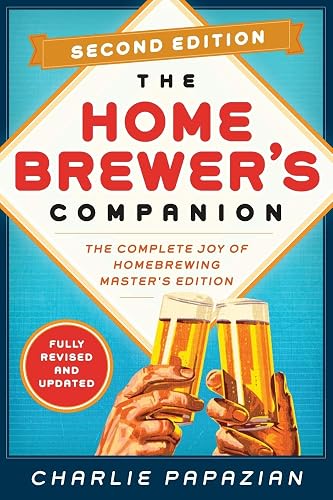
 TOP CHOICEBest overallThe Complete Joy of Homebrewing: Fully Revised and Updated ― A Home Beer Brewing GuideView on Amazon
- 2
 TOP CHOICEBest for regional flavorSun Brewing Company Cookbook Second Edition: Avant-Garde Brewing and CView on Amazon
- 3
 TOP CHOICEBest for small brewery operatorsThe Beer Brewing Guide: The EBC Quality Handbook for Small BreweriesView on Amazon
- 4
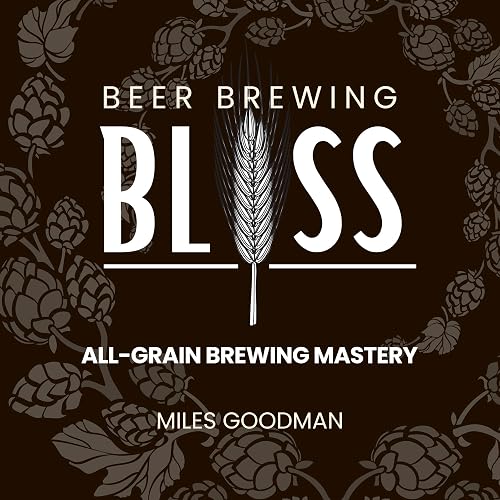 Best for all-grain brewersBeer Brewing Bliss: All-Grain Brewing MasteryView on Amazon
- 5
 Best for seasonal recipesLet the Brew Be Warmed: Seasonal Homebrew Beer Recipes & Techniques for Craft BrewersView on Amazon
- 6
 Best for classic German-style alesKolsch: History, Brewing Techniques, Recipes (Classic Beer Style Series)View on Amazon
- 7
 Best for smoke-flavored beer fansSmoked Beers: History, Brewing Techniques, Recipes (Classic Beer Style Series, 18.)View on Amazon
Our Top Picks
| Product | Best for | Key feature |
|---|---|---|
| The Complete Joy of Homebrewing | Beginners and general home brewers | Broad, fully revised coverage of the homebrewing process |
| Sun Brewing Company Cookbook Second Edition | Readers interested in regional Texas beer culture | Beer-based recipes paired with brewery style |
| The Beer Brewing Guide: The EBC Quality Handbook | Small brewery operators and quality-focused brewers | Quality control framework based on EBC standards |
| Beer Brewing Bliss: All-Grain Brewing Mastery | Brewers moving up to all-grain methods | Step-by-step all-grain process guidance |
| Let the Brew Be Warmed | Brewers who want seasonal and warming styles | Seasonal homebrew recipes and techniques |
| Kolsch: History, Brewing Techniques, Recipes | Fans of clean, crisp German-style ales | Style history plus focused recipes |
| Smoked Beers: History, Brewing Techniques, Recipes | Fans of rauchbier and smoke-malt styles | Smoke-malt technique and style background |
The Complete Joy of Homebrewing: Fully Revised and Updated ― A Home Beer Brewing Guide
The Complete Joy of Homebrewing: Fully Revised and Updated ― A Home Beer Brewing Guide
Best for: Beginners and general home brewers who want one reference covering the full process.
This is a well-known homebrewing guide for people who are just getting started and want a single book to work from. It suits readers who plan to move from extract kits into their own recipes over time.
Key specs:
- Format: revised and updated edition for home brewers
- Scope: full homebrewing process from ingredients to packaging
- Audience: beginner through intermediate home brewers
Pros:
- Covers the whole brewing workflow in one place
- Updated edition reflects current equipment and practices
- Useful reference for troubleshooting common problems
Cons:
- Less focused on advanced all-grain technique
- Recipes may need scaling for larger batches
Bottom line: A strong first pick for anyone who wants a dependable general reference before buying equipment.
Sun Brewing Company Cookbook Second Edition: Avant-Garde Brewing and Cooking with Beer from the Texas Border
Sun Brewing Company Cookbook Second Edition: Avant-Garde Brewing and Cooking with Beer from the Texas Border
Best for: Readers who want to cook with beer and explore a specific regional brewing scene.
This cookbook is aimed at food-focused readers who enjoy pairing beer with cooking. It is a good fit for someone who has visited a brewery and wants to bring that flavor into the kitchen.
Key specs:
- Format: second edition cookbook
- Focus: beer-based cooking and brewery-inspired recipes
- Regional angle: Texas border brewing culture
Pros:
- Practical beer-cooking recipes
- Strong regional and brewery storytelling
- Useful for pairing dishes with beer styles
Cons:
- Not a brewing technique manual
- Limited value for readers focused only on fermentation science
Bottom line: Best for cooks and beer fans who want recipes and regional character rather than brewing instruction. Worth reading next: 4 Best Reverse Osmosis Waters for Brewing Beer (2026): Our Picks.
The Beer Brewing Guide: The EBC Quality Handbook for Small Breweries
The Beer Brewing Guide: The EBC Quality Handbook for Small Breweries
Best for: Small brewery operators and serious brewers who care about measurable quality standards.
This guide is oriented toward quality control and the standards set by the European Brewery Convention. It is a more technical read for people running or planning a commercial or near-commercial operation.
Key specs:
- Focus: quality handbook for small breweries
- Framework: references EBC quality methods
- Audience: professional and advanced brewers
Pros:
- Organized around measurable quality checks
- Useful for building a repeatable process
- Aligns with recognized industry standards
Cons:
- Dense for casual home brewers
- Assumes some prior brewing knowledge
Bottom line: The right choice for brewers who want a quality-first reference rather than a recipe book.
Beer Brewing Bliss: All-Grain Brewing Mastery
Beer Brewing Bliss: All-Grain Brewing Mastery: Brew Award-Winning Beer at Home Without The Fuss
Best for: Home brewers ready to move from extract brewing to full all-grain batches.
This title focuses on all-grain methods and is written for readers who already understand the basics and want to improve consistency and flavor control.
Key specs:
- Focus: all-grain brewing methods
- Audience: intermediate home brewers
- Approach: practical, process-driven instruction
Pros:
- Clear focus on all-grain technique
- Practical guidance for batch-to-batch consistency
- Good companion to brew-day checklists
Cons:
- Less useful for absolute beginners
- Some readers may want more recipe variety
Bottom line: A solid pick for intermediate brewers who want to master the all-grain process.
Let the Brew Be Warmed: Seasonal Homebrew Beer Recipes & Techniques for Craft Brewers
Let the Brew Be Warmed: Seasonal Homebrew Beer Recipes & Techniques for Craft Brewers
Best for: Brewers who want recipes for darker, warming, and seasonal beer styles.
This book is built around seasonal brewing and suits home brewers who like to plan batches around the time of year and the flavors that go with it.
Key specs:
- Focus: seasonal homebrew recipes
- Techniques: included alongside recipes
- Audience: craft-minded home brewers
Pros:
- Seasonal angle gives fresh recipe ideas
- Pairs recipes with technique explanations
- Useful for planning a brewing calendar
Cons:
- Seasonal focus may not suit year-round brewers
- Limited coverage of equipment setup
Bottom line: Best for brewers who want recipes tied to specific seasons.
Kolsch: History, Brewing Techniques, Recipes (Classic Beer Style Series)
Kolsch: History, Brewing Techniques, Recipes (Classic Beer Style Series)
Best for: Fans of crisp German-style ales who want the history and a few targeted recipes.
Part of a classic beer style series, this title is for readers who want to understand one style deeply, including where it came from and how it is traditionally made.
Key specs:
- Focus: Kolsch style history and technique
- Format: part of the Classic Beer Style Series
- Includes: recipes alongside brewing background
Pros:
- Deep focus on a single, well-defined style
- Good historical context
- Useful for understanding lagering-style ales
Cons:
- Narrow scope for readers who want variety
- Recipes are style-specific rather than general
Bottom line: A focused choice for anyone brewing or drinking Kolsch-style beer.
Smoked Beers: History, Brewing Techniques, Recipes (Classic Beer Style Series, 18.)
Smoked Beers: History, Brewing Techniques, Recipes (Classic Beer Style Series, 18.)
Best for: Readers curious about smoke-malt beers and rauchbier-style brewing.
This volume covers smoked beer styles, their origins, and the techniques used to achieve smoky character. It suits brewers and drinkers who want to understand a distinctive and polarizing style.
Key specs:
- Focus: smoked beer history and technique
- Format: volume 18 in the Classic Beer Style Series
- Includes: recipes and brewing background
Pros:
- Clear coverage of a niche style
- Explains how smoke character is developed
- Good reference for specialty recipes
Cons:
- Narrow appeal beyond smoked-beer fans
- Less useful for general brewing questions
Bottom line: Best for enthusiasts who want to go deep on smoked beer styles.
Buying Guide
Match the Book to Your Brewing Level
Beginners usually get the most from general, process-focused guides. Intermediate brewers who already brew with extract or partial mash often benefit more from all-grain or quality-focused titles. Check whether the book assumes equipment and terms you do not yet own or understand. 6 Best Airlocks for Brewing Beer Picks Compared (2026) goes further into this.
Good picks for this: The Complete Joy of Homebrewing, Beer Brewing Bliss: All-Grain Brewing Mastery
Check Whether It Is a Technique Book or a Recipe Book
Some titles focus on how beer is made, while others are mostly recipes with light background. If you want to improve your process, look for technique chapters, troubleshooting sections, and explanations of why steps matter. If you mainly want something to cook or brew from, recipe-heavy titles may serve you better.
Good picks for this: Sun Brewing Company Cookbook Second Edition, Let the Brew Be Warmed
Look for Current and Updated Editions
Brewing equipment, ingredient availability, and recommended practices change over time. A revised or updated edition is generally more reliable than an older printing, particularly for sanitation, temperature control, and yeast handling. Check the edition statement on the listing before buying.
Good picks for this: The Complete Joy of Homebrewing, The Beer Brewing Guide: The EBC Quality Handbook
Consider Style Focus
Style-specific books are excellent if you already know which beers you enjoy. They go deeper on history, yeast character, and fermentation temperature than general guides do. Be aware that they cover fewer styles, so pair them with a general reference if you are still experimenting.
Good picks for this: Kolsch: History, Brewing Techniques, Recipes, Smoked Beers: History, Brewing Techniques, Recipes
Evaluate Depth of Quality and Process Content
If you plan to brew commercially or want consistent results batch after batch, look for measurable quality methods, process controls, and sensory evaluation guidance. These topics matter more as batch volume and customer expectations increase.
Good picks for this: The Beer Brewing Guide: The EBC Quality Handbook for Small Breweries
Think About Seasonal and Use-Case Fit
Some readers brew all year, while others plan around seasons and events. A seasonal title can give you a calendar of batches, but it may be less useful if you brew the same styles regardless of the weather. Consider how often you brew and what you want to brew most.
Good picks for this: Let the Brew Be Warmed, Beer Brewing Bliss: All-Grain Brewing Mastery
Consider Format and Readability
Brewing books often include tables, charts, and step lists that are easier to use in print or on a tablet near the brew kettle. Check the page layout, index quality, and whether the book is organized so you can find a specific topic quickly during a brew day.
Good picks for this: The Complete Joy of Homebrewing, Beer Brewing Bliss: All-Grain Brewing Mastery
FAQ
Is the headlands brewing beer garden a good place to learn about brewing?
A beer garden is primarily a place to drink and socialize, but many visitors leave curious about how the beer was made. Reading a brewing guide before or after your visit can help you ask better questions and understand what you are tasting.
Which book is best for a complete beginner?
A general, revised homebrewing guide is usually the most useful starting point. It covers ingredients, sanitation, fermentation, and packaging in one place, which makes it easier to build a foundation before buying more equipment.
Do I need all-grain experience before buying an all-grain book?
It helps. All-grain titles assume you understand mash temperature, sparging, and basic wort handling. If you are still brewing with malt extract, start with a general guide and move to all-grain material once you are comfortable with the basics.
Are style-specific books worth it?
They are worth it if you already enjoy a particular style and want to understand its history and typical brewing approach. They are less useful if you are still exploring and want broad coverage across many styles.
Are recipe books reliable for home brewers?
Recipes vary in quality and detail. Check whether the book explains the reasoning behind ingredients and process steps, and whether it accounts for typical home-scale batch sizes. Always verify volumes, gravity targets, and fermentation temperatures before brewing.
Should I brew at home or only drink at breweries?
Both are valid. Home brewing gives you control over recipes and a deeper understanding of fermentation, while breweries offer professional consistency and a social setting. Many brewers do both.
Where should I check for safe brewing practices?
Sanitation, fermentation, and bottling carry real risks if handled poorly. Consult a qualified professional or your local extension service for guidance on safety, and follow reputable guides for sanitation and pressure management.
Conclusion
For most readers, The Complete Joy of Homebrewing is the most practical starting point, especially for beginners who want a broad reference. Brewers ready for all-grain methods should look at Beer Brewing Bliss: All-Grain Brewing Mastery. Commercial-minded or quality-focused readers will find The Beer Brewing Guide: The EBC Quality Handbook for Small Breweries most relevant. Cooks and regional enthusiasts may prefer the Sun Brewing Company Cookbook, while those drawn to specific styles can choose Kolsch or Smoked Beers. Let the Brew Be Warmed suits seasonal planners. Match your pick to your current level and what you want to brew next.
Sources
- Federal guidance on food safety and fermentation-related handling practices relevant to home production (usda.gov)
- Information on food safety standards and handling principles that apply to fermented beverages (fda.gov)
- Public health guidance on safe food handling and sanitation basics (cdc.gov)
Related reading
- Roundhead Brewing Co Beer Garden in JP: A Visitor's Guide for Beer Lovers
- Hi Wire Brewing Rad Beer Garden: A Visitor's Guide for Beer Lovers
- Yeast for Beer Brewing: A Step-by-Step Guide for Beginners
- What Equipment Do I Need for Home Brewing Beer? A Starter Guide
- Top 7 Sour Beer Brewing Kits Worth Considering in 2026
About Graham Fisher
Graham Fisher is part of our editorial team and reviews and edits our home brewing guides, checking product details against manufacturer specifications and owner feedback.