 By Caleb Morgan
Updated November 2026
Choosing a cabernet wine making kit comes down to batch size, how much hands-on work you want, and how confident you feel about fermentation and clarifying. This list looks at five kits built around Cabernet Sauvignon juice concentrate or base, each sold on Amazon US. The selection method was research-based: we reviewed listing specifications, brand reputation within the home winemaking community, and patterns in owner feedback about yield, ease of use, and equipment included. No kit here was tested by us, so treat the specs as what the manufacturers state and check the listing before you buy.
Our top picks at a glance
- 1
 TOP CHOICEBest overallFontana French Cabernet Sauvignon Wine Making KitView on Amazon
- 2
 TOP CHOICEBest for larger batchesWild Grapes Cabernet Sauvignon DIY Wine Making KitsView on Amazon
- 3
 TOP CHOICEBest for beginnersCraft A Brew Cabernet Sauvignon Wine KitView on Amazon
- 4
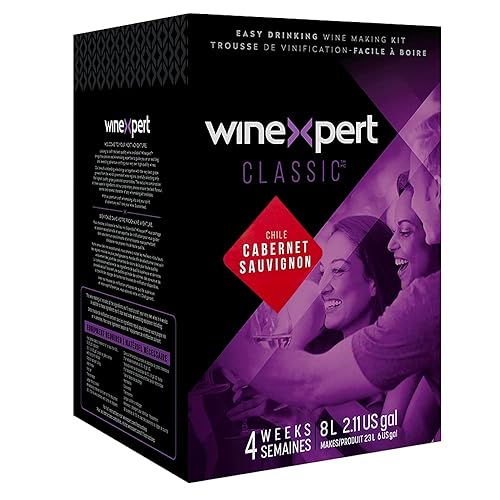 Best budget pickClassic Chilean Cabernet Sauvignon Wine Ingredient KitView on Amazon
- 5
 Best for serious hobbyistsMaster Vintner Winemaker's Reserve Cabernet Homebrewing Wine KitView on Amazon
Our Top Picks
Quick Comparison
| Product | Best for | Key feature |
|---|---|---|
| Fontana French Cabernet Sauvignon Wine Making Kit | Overall balance of yield and convenience | Six-gallon kit listed as making about 30 bottles |
| Wild Grapes Cabernet Sauvignon DIY Wine Making Kits | Larger batches and a fast turnaround | Listed as ready in about four weeks, makes up to 30 x 750 mL |
| Craft A Brew Cabernet Sauvignon Wine Kit | First-time winemakers | Includes reusable equipment and ingredients, makes one gallon |
| Classic Chilean Cabernet Sauvignon Wine Ingredient Kit | Shoppers who want a simple ingredient-only kit | Straightforward ingredient pack with a Chilean Cabernet profile |
| Master Vintner Winemaker’s Reserve Cabernet Homebrewing Wine Kit | Experienced hobbyists aiming for more complexity | Six-gallon reserve-style kit |
Fontana French Cabernet Sauvignon Wine Making Kit
Premium Wine Making Ingredients | Makes 30 Bottles of Wine Fontana French Cabernet Sauvignon Wine Making Kit | 6 Gallon Wine Kit
Best for: Home winemakers who want a full six-gallon batch with a well-known French-style Cabernet profile.
This kit suits someone with a bit of space and a plan to age wine for a few months. It is aimed at people who want to make a serious volume without buying every piece of equipment separately.
Key specs
- Batch size: six gallons, listed as making about 30 bottles
- Style: French-style Cabernet Sauvignon
- Format: wine making kit with ingredients for a full batch
Pros
- Yields a large batch for the effort involved
- Clear, widely recognized Cabernet style for a home kit
- Good fit for a first full-size batch
Cons
- Six gallons takes up real fermenter and storage space
- Requires a cool, stable spot for the full aging period
Bottom line: A strong overall choice for someone ready to commit to a six-gallon batch and wants a dependable Cabernet profile.
Wild Grapes Cabernet Sauvignon DIY Wine Making Kits
Premium Ingredients, Ready in 4 Weeks, Includes Wine Base, Yeast, Fining Agents And 30 Labels Wild Grapes DIY Wine Making Kits, Cabernet Sauvignon, Makes up to 30x750mL
Best for: Winemakers who want a larger output and a shorter wait before bottling.
This kit is built for people who like to see results quickly and plan to share bottles. The listing includes wine base, yeast, fining agents, and labels, which makes it a complete package.
Key specs
- Yield: up to 30 bottles at 750 mL each
- Listed timeline: ready in about four weeks
- Included: wine base, yeast, fining agents, and 30 labels
Pros
- Complete package with fining agents and labels included
- Short listed timeline compared with many wine kits
- Good yield for gift-giving or entertaining
Cons
- Owners often note that a short timeline means less aging depth
- Equipment is not described as included, so you may need your own gear
Bottom line: Best for winemakers who want a fast, complete-looking kit and plan to share the finished bottles.
Craft A Brew Cabernet Sauvignon Wine Kit
Craft A Brew – Cabernet Sauvignon Wine Kit – Easy for Beginners – At Home Wine Making Kit – Includes Ingredients & Reusable Equipment – Ready to Drink in 4 Weeks – Makes 1 Gallon
Best for: First-time home winemakers who want a small, low-commitment batch.
This kit is sized for a single gallon, which keeps the stakes low while you learn sanitation, fermentation, and bottling. It is a sensible way to find out whether wine making suits you before scaling up.
Key specs
- Batch size: one gallon
- Includes ingredients and reusable equipment
- Listed as ready to drink in about four weeks
Pros
- Small batch keeps early mistakes inexpensive in time and materials
- Reusable equipment is included, so you can brew again
- Good learning vehicle for sanitation and racking
Cons
- One gallon yields only about five bottles, which runs out quickly
- Reusable equipment is basic, so you may upgrade later
Bottom line: The most approachable pick for a beginner who wants to learn the process before committing to a larger batch.
Classic Chilean Cabernet Sauvignon Wine Ingredient Kit
Classic Chilean Cabernet Sauvignon Wine Ingredient Kit
Best for: Budget-conscious winemakers who already own fermentation equipment.
This is an ingredient-focused kit, so it suits someone who has a fermenter, airlock, and bottles on hand. It is a good way to make a Cabernet without buying a complete outfit.
Key specs
- Format: ingredient kit for Cabernet Sauvignon
- Origin profile: Chilean Cabernet Sauvignon
- Designed for use with your own fermentation equipment
Pros
- Practical option if you already have equipment
- Simple, direct ingredient list
- Chilean Cabernet profile is well suited to a fruit-forward red
Cons
- Not a complete kit, so you must source fermenter, airlock, and siphon
- Beginners may find the lack of step guidance harder without experience
Bottom line: A good choice for an experienced beginner or returning hobbyist who wants to save by reusing gear.
Master Vintner Winemaker’s Reserve Cabernet Homebrewing Wine Kit
Master Vintner Winemaker's Reserve Cabernet Homebrewing Wine Kit, 6 Gal
Best for: Experienced hobbyists who want a six-gallon reserve-style Cabernet with more depth.
This kit is aimed at winemakers who already understand racking, stabilizing, and bulk aging. It rewards patience and careful handling, and it fits someone who wants to refine their process.
Key specs
- Batch size: six gallons
- Style: reserve-style Cabernet homebrewing kit
- Designed for full-batch homebrewing
Pros
- Six-gallon batch suits regular winemaking sessions
- Reserve-style positioning points to more complex wine
- Good match for hobbyists building a cellar
Cons
- Requires more equipment and experience than beginner kits
- Longer aging commitment before the wine is at its best
Bottom line: The right pick for a seasoned hobbyist who wants a full six-gallon Cabernet and has the space to age it.
Buying Guide
Batch size and storage space
Check how many gallons the kit makes and how many bottles that equals. A one-gallon kit yields around five bottles, while six-gallon kits produce roughly 30. Make sure you have room for a carboy or fermenter and for bottles during aging. If you are unsure, start smaller. See Wine Making Kit for Sale: 6 Best Picks Compared for Home Winemakers for more on batch sizing.
Good picks for this: Craft A Brew Cabernet Sauvignon Wine Kit, Fontana French Cabernet Sauvignon Wine Making Kit
Included equipment versus ingredients only
Some kits include reusable equipment such as a fermenter and airlock, while others are ingredient-only. Read the listing carefully. If equipment is missing, you will need to buy a primary fermenter, siphon, and bottling supplies. Starter Wine Making Kit: A Step-by-Step Guide for Beginners explains what a complete setup usually includes.
Good picks for this: Craft A Brew Cabernet Sauvignon Wine Kit, Classic Chilean Cabernet Sauvignon Wine Ingredient Kit
Fermentation and timeline
Listed timelines such as four weeks describe the minimum before bottling, not the point of best quality. Cabernet typically benefits from months of aging. Shorter kits are fine for drinking young, but expect a more tannic, less integrated wine if you bottle early.
Good picks for this: Wild Grapes Cabernet Sauvignon DIY Wine Making Kits, Master Vintner Winemaker’s Reserve Cabernet Homebrewing Wine Kit
Yeast and fining agents
Look for included yeast suited to red wine and fining agents to clarify the finished wine. Clear wine depends on proper fining and cold stabilization. Confirm whether the kit includes these or whether you need to buy them separately.
Good picks for this: Wild Grapes Cabernet Sauvignon DIY Wine Making Kits, Fontana French Cabernet Sauvignon Wine Making Kit
Your experience level
Beginners benefit from kits with step-by-step instructions, small batches, and forgiving ingredients. Experienced winemakers may prefer ingredient-only or reserve-style kits that allow more control over the final profile. Match the kit to what you already know, not to what you hope to learn.
Good picks for this: Craft A Brew Cabernet Sauvignon Wine Kit, Master Vintner Winemaker’s Reserve Cabernet Homebrewing Wine Kit
Durability of equipment
Food-grade plastic carboys and fermenters are standard, but check for scratches, cracks, and tight-sealing lids. Owners often recommend replacing airlocks and stoppers when they show wear, since a poor seal invites oxidation and contamination. Keep spare parts on hand.
Good picks for this: Master Vintner Winemaker’s Reserve Cabernet Homebrewing Wine Kit, Fontana French Cabernet Sauvignon Wine Making Kit
Sanitation and care
Every kit depends on clean equipment. Use a no-rinse sanitizer on everything that touches the wine, and clean carboys promptly after use. Check the manufacturer’s care instructions for any plastic parts. For a broader look at prep work, see Homebrew Wine Making Kit: A Step-by-Step Guide for Beginners.
Good picks for this: Craft A Brew Cabernet Sauvignon Wine Kit, Classic Chilean Cabernet Sauvignon Wine Ingredient Kit
FAQ
How long does a cabernet wine making kit take from start to bottle?
Many kits list about four weeks to a drinkable state, but Cabernet usually tastes better after several months of aging. The listed time is the minimum, and extra aging generally softens tannins and improves balance.
Do I need extra equipment besides the kit?
It depends on the listing. Ingredient-only kits require your own fermenter, airlock, siphon, hydrometer, and bottles. Complete kits may include some of these, but check whether bottles and corks are supplied.
How many bottles will I get from one kit?
A one-gallon kit yields roughly five 750 mL bottles. Six-gallon kits produce about 30 bottles. Losses from racking and sediment can reduce the final count slightly.
What is the difference between an ingredient kit and a complete kit?
An ingredient kit contains juice concentrate or base, yeast, and additives only. A complete kit adds equipment such as a fermenter and airlock. Complete kits cost more in total but reduce the number of purchases you need to make.
Is Cabernet Sauvignon a good first red to make at home?
It can be, since kits are formulated for it and it forgives some variation. However, tannins are firm, so patience pays off. Many beginners start with a smaller batch and a shorter timeline.
How should I store the finished wine?
Store bottles on their sides in a cool, dark place with stable temperature. Avoid heat and direct light. Wine stored properly will age more predictably than wine kept in a warm kitchen.
Can I adjust the flavor of a kit?
Some winemakers add oak chips or adjust sugar and acid, but changes should be made carefully and tested in small amounts. Read the instructions first, and make adjustments only once you understand the base recipe.
Conclusion
For a complete six-gallon batch with a strong overall balance, the Fontana French Cabernet Sauvignon Wine Making Kit stands out on the criteria reviewed here. If you want a shorter timeline and a complete package for sharing, the Wild Grapes kit fits that need. First-time winemakers will find the Craft A Brew kit the easiest place to start, while the Classic Chilean ingredient kit suits someone with existing equipment. The Master Vintner reserve-style kit is best for experienced hobbyists ready to age a larger batch. Match the kit to your space, equipment, and patience, and the choice becomes straightforward.
Sources
- Food safety guidance on home food preparation, sanitation, and handling of ingredients (fda.gov)
- Information on fermentation and food preservation practices for home producers (usda.gov)
- University-based extension guidance on home fermentation and winemaking basics (extension.org)
Related reading
- Red Wine Vinegar Making Kit vs Crock Method: Which Is Better for Beginners?
- 6 Best Wine Making Kit 1 Gallons for Beginners (2026)
- Primary Fermenter for Wine Making: A Step-by-Step Guide for Beginners
- 7 Best Homebrew Beer Making Kit Options for Beginners in 2026
About Caleb Morgan
Caleb Morgan is part of our editorial team and reviews and edits our home brewing guides, checking product details against manufacturer specifications and owner feedback.