 By Graham Fisher
Updated November 2026
Home brewing gluten free beer takes more planning than a standard batch, because grain choice, sanitation and cross-contact all matter. This list covers books and kits that focus on gluten-free or extract-friendly brewing, along with general home brewing references that help beginners set up a safe workflow. Selection criteria were product listing details, publisher and author reputation, scope of recipes and instructions, and recurring owner feedback patterns. We did not test these products ourselves.
Our top picks at a glance
- 1
 TOP CHOICEBest overallHome-Brewed Gluten-Free BeerView on Amazon
- 2
 TOP CHOICEBest for complete beginnersThe Complete Joy of HomebrewingView on Amazon
- 3
 TOP CHOICEBest for ready-to-brew ingredientsHome Brew Beer Ingredient Kit -5 Gallon(Toasted Coconut Cream Ale)View on Amazon
- 4
 Best for small-batch equipmentRevolutionary Craft Beer Kit Pro – 2 Gallon Conical Brewing KitView on Amazon
- 5
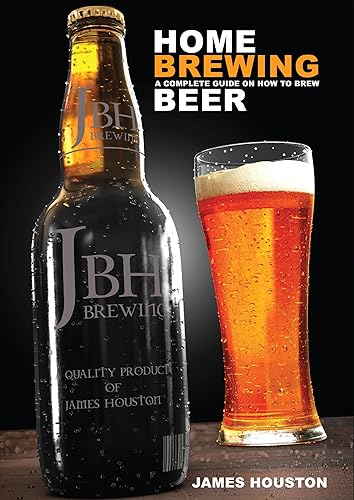 Best for general how-to readingHome Brewing: A Complete Guide On How To Brew BeerView on Amazon
- 6
 Best for extract brewersBeer Brewing Made Simple: Extract-Friendly Recipes for the HomebrewerView on Amazon
- 7
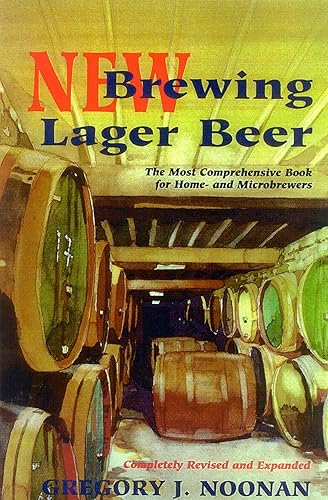 Best for lager fansNew Brewing Lager Beer: The Most Comprehensive Book for Home and MicroView on Amazon
Our Top Picks
Quick Comparison
| Product | Best for | Key feature |
|---|---|---|
| Home-Brewed Gluten-Free Beer | Gluten-free recipes | 75+ craft recipes |
| The Complete Joy of Homebrewing | Complete beginners | Fully revised guide |
| Home Brew Beer Ingredient Kit | Ready-to-brew ingredients | 5-gallon batch kit |
| Revolutionary Craft Beer Kit Pro | Small-batch equipment | 2-gallon conical fermenter |
| Home Brewing: A Complete Guide | General how-to reading | Step-by-step brewing basics |
| Beer Brewing Made Simple | Extract brewers | Extract-friendly recipes |
| New Brewing Lager Beer | Lager fans | Comprehensive lager coverage |
Home-Brewed Gluten-Free Beer
Home-Brewed Gluten-Free Beer: Make More Than 75 Craft Beer Recipes
Best for: Gluten-free recipes
This book suits brewers who want a dedicated gluten-free recipe collection, with more than 75 craft beer recipes covering a range of styles. Owners often report that its recipe format is easy to scale for home batches.
Pros
- Large recipe library focused on gluten-free grains
- Clear layout for scaling batch sizes
Cons
- Less help for absolute beginners on basic equipment
The Complete Joy of Homebrewing
The Complete Joy of Homebrewing: Fully Revised and Updated ― A Home Beer Brewing Guide
Best for: Complete beginners
A well-known general guide for new brewers who want a foundation in process, sanitation and troubleshooting before adapting recipes to gluten-free grains. Manufacturers and reviewers describe this edition as fully revised.
Pros
- Thorough explanations of core brewing steps
- Useful reference for fermentation problems
Cons
- Gluten-free recipes are not the main focus
Home Brew Beer Ingredient Kit -5 Gallon(Toasted Coconut Cream Ale)
Home Brew Beer Ingredient Kit -5 Gallon(Toasted Coconut Cream Ale)
Best for: Ready-to-brew ingredients
This kit suits brewers who want all the ingredients for one 5-gallon batch in a single package. Check the ingredient list carefully, since malt and additive sources determine whether a batch is gluten-free.
Pros
- Single package simplifies ordering for a full batch
- Good for a first brew day
Cons
- Standard kit grains are usually not gluten-free
Revolutionary Craft Beer Kit Pro – 2 Gallon Conical Brewing Kit
Revolutionary Craft Beer Kit Pro – 2 Gallon Conical Brewing Kit
Best for: Small-batch equipment
A compact conical setup for brewers who want to test gluten-free recipes in 2-gallon batches before committing to larger volumes. Owners often mention that the smaller size makes sanitation and storage easier.
Pros
- Small batch size reduces ingredient waste during testing
- Conical design aids yeast collection
Cons
- Limited yield for sharing
Home Brewing: A Complete Guide On How To Brew Beer
Home Brewing: A Complete Guide On How To Brew Beer
Best for: General how-to reading
A straightforward reference for brewers who want step-by-step instruction on the full process. It works well alongside a gluten-free recipe book, so you have both method and recipes.
Pros
- Clear step-by-step structure
- Covers the full process from mash to bottling
Cons
- Not specific to gluten-free brewing
Buying Guide
Gluten-Free Focus vs. General Brewing Content
Check whether a book or kit is built around gluten-free ingredients or is a general brewing reference. Gluten-free titles usually cover safe grains like sorghum, rice, buckwheat, and millet, plus enzyme use and sanitation practices to avoid cross-contact. General guides are still valuable for learning core process steps, but you will need to adapt their grain bills yourself.
Experience Level and Brewing Method
Decide whether you want all-grain, partial mash, or extract brewing. Beginners often do best with extract-friendly recipes and a simple setup, while experienced brewers may want the detail and flexibility of a larger reference. Match the book or kit to the method you plan to use so you are not stuck with instructions you cannot follow.
Equipment Included and Batch Size
Kits differ in what they include and how much beer they make. Look at the stated batch size and whether fermentation vessels, sanitizers, and bottling tools are part of the package. Make sure the volume suits how much beer you realistically want to drink or share.
Recipe Variety and Clarity of Instructions
A strong resource offers a range of styles and clear, step-by-step directions with timing and temperature guidance. Check the table of contents or product description to confirm the recipes cover the styles you enjoy. Clear instructions matter most for avoiding mistakes that affect both flavor and safety.
Author Credibility and Recent Updates
Brewing practices and ingredient options change over time, so look for publication dates or revision notes. Authors with established backgrounds in homebrewing or gluten-free baking tend to offer more reliable guidance. Recent updates can also reflect newer gluten-free ingredient options and equipment. You may also like 6 Best Craft a Brew Oktoberfest Ale Beer Brewing Kit Picks for Fall (2026).
FAQ
Can I make truly gluten-free beer at home?
Yes, you can brew beer using gluten-free grains such as sorghum, rice, or buckwheat, or use certified gluten-free extracts. Results may still vary in flavor and head retention compared with barley-based beer. If you have celiac disease, be aware that home brews are not tested and may not meet strict gluten thresholds.
Do I need separate equipment for gluten-free brewing?
Using dedicated equipment is the safest way to prevent cross-contact with barley or wheat. If you share equipment, thorough cleaning and sanitizing between batches is essential. Plastic and stainless components are easier to keep clean than porous materials. For another angle, check out 6 Best Lakefront Brewing Gluten-Free Beer Options for Celiac-Safe Brewing (2026).
Are beginner kits a good starting point?
Beginner kits can make it easier to learn the brewing process with included ingredients and guidance. Check that the kit uses ingredients appropriate for your dietary needs before brewing. Pairing a kit with a clear guide often gives the best results for new brewers.
How long does a home brew take from start to finish?
Timelines vary by style and method, but most home brews need several weeks from brew day to drinking, including fermentation and conditioning. Gluten-free recipes may require adjustments in timing, so follow the specific instructions for your chosen recipe. Patience during conditioning usually improves the final beer.
Conclusion
If you want a gluten-free focus with a wide range of recipes, a dedicated gluten-free brewing book is the best starting point. Beginners who want a guided setup may prefer a complete kit paired with a clear general guide. Experienced brewers looking for technical depth should choose a comprehensive reference that they can adapt to gluten-free grains.
Related reading
- Gluten Free Beer Brewing: 3 Best Books and Kits for Celiac-Safe Brews (2026)
- 4 Best Gluten Free Beer Brewing Kit Options for Celiac-Safe Brewing (2026)
- Gluten Free Homebrew Kit UK: How to Brew Celiac-Safe Beer at Home
- What Equipment Do I Need for Home Brewing Beer? A Starter Guide
- Top 6 Online Beer Brewing Classes for Home Brewers Learning at Their Own Pace
About Graham Fisher
Graham Fisher is part of our editorial team and reviews and edits our home brewing guides, checking product details against manufacturer specifications and owner feedback.