 By Graham Fisher
Updated November 2026
Good home brewing beer storage comes down to four things: keeping the beer cold, dark, sealed from oxygen, and drunk within a sensible window. Get those right and a batch that tastes great on bottling day will still taste great weeks later. This guide walks through each stage, from the fermenter to the last bottle in the back of the fridge.
Why Storage Matters After Fermentation
Fermentation ends with beer that is alive in a few important ways. Yeast is still present in suspension or on the bottom of the vessel, and it continues to work slowly, clean up byproducts and sometimes produce off flavors if left at warm temperatures. Oxygen is the biggest enemy once the beer is out of the fermenter, because it drives stale, cardboard and sherry-like notes. Light, especially sunlight and some fluorescent bulbs, reacts with hop compounds and produces a skunky smell in clear and green bottles. Heat speeds up every one of these reactions. Storage is simply the practice of slowing them down.
Shopping for one? See our guide: 5 Best Equipment for Beer Brewing for Home Brewers in 2026.
Control Temperature Before and After Packaging
Most ales do well with a cold conditioning period. After primary fermentation, many brewers drop the fermenter to around 35 to 40 degrees Fahrenheit for several days. This encourages yeast and haze particles to settle, which gives you clearer beer and a cleaner finish. Once packaged, keep bottles and kegs in a stable cool spot, ideally between 38 and 50 degrees Fahrenheit for most styles. Lagers benefit from staying at the lower end of that range. Avoid garages, car trunks and kitchen counters near the stove, where temperature swings are large. A basement shelf, a dedicated fridge or a kegerator set to a steady temperature works well. Consistency matters more than hitting one exact number.
Protect Beer From Light and Oxygen
Light and oxygen are the two storage problems you can fix most easily. Store bottles in a cardboard box or in a dark cabinet so they are never exposed to direct sunlight or strong overhead light. Brown glass blocks more UV than green or clear glass, so it is the better choice for any beer you plan to keep. When transferring, minimize splashing and headspace, since trapped air in a bottle or keg gives oxygen room to work. For kegs, purge the headspace with CO2 and check that your lid and posts seal well. Crimp caps and tight-fitting closures keep air out better than loose ones. Store kegs upright, and keep them away from heat sources that could cause pressure to build.
Know How Long Each Style Keeps
Different styles age differently, so plan your storage around what you brewed. Hoppy beers such as IPAs and pale ales are best consumed fresh, usually within a few weeks to a few months, because hop aroma fades over time. Malt-forward styles like amber ales, brown ales and many stouts can hold their character for longer. Big, high-alcohol beers such as barleywines and imperial stouts often improve with several months or more of cellaring, when handled correctly. Lagers are usually best within a few months, since their clean profile shows staleness quickly.
| Beer style | Typical drinking window | Storage priority |
|---|---|---|
| Hoppy pale ale or IPA | Weeks to a few months | Cold, dark, minimal oxygen |
| Amber or brown ale | Several months | Cool and dark |
| Stout or porter | Several months to a year | Cool, sealed |
| Lager | A few months | Consistently cold |
| Barleywine or imperial stout | Many months to years | Stable cellar temperature |
These windows are general guidelines. Your recipe, process and storage conditions all shift the timeline, so taste a bottle periodically to track how your beers change.
Storage Checklist and Tools
- Cold conditioning fridge or cool spot at a steady temperature.
- Dark storage: a cardboard case, cabinet or closet away from windows.
- Labeled bottles or kegs with the brew date and style.
- A thermometer placed where the beer actually sits, not just in the room.
- Caps, lids and gaskets checked for wear before each batch.
- A simple log to record when each batch was packaged and when you tasted it.
Common Mistakes
- Storing beer near a heat source. Water heaters, ovens and radiators create hot spots that age beer quickly.
- Leaving bottles in the sun. Even short exposure can cause light-struck flavors.
- Stacking warm and cold beers together. Temperature changes encourage condensation and uneven aging.
- Ignoring headspace. Too much air in a bottle or keg speeds oxidation.
- Forgetting to label. Without dates, it is easy to lose track of which batch is peaking.
- Keeping hoppy beers too long. Hop character fades, so drink these sooner than you think.
Recommended gear
A reliable fridge or kegerator gives you the steady cold that cellaring needs. Look for one with a dependable thermostat so you can hold a consistent temperature. View on Amazon
A quality thermometer lets you confirm the actual temperature where your beer sits, not just what the fridge display claims. View on Amazon
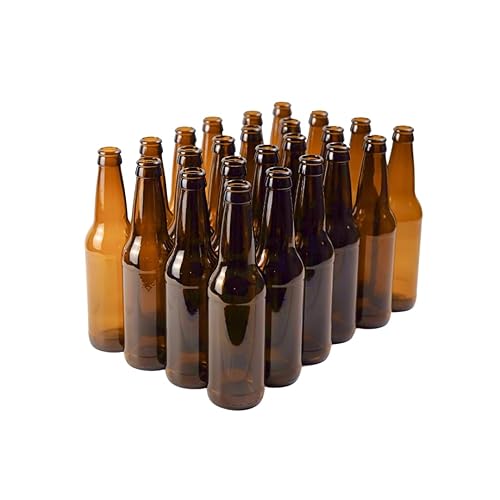
Brown glass bottles block more light than clear or green glass, which helps protect hoppy beers from skunky aromas. View on Amazon
A cardboard beer carton or storage box keeps bottles in the dark and makes stacking easy. View on Amazon
FAQ
What temperature is best for storing homebrew?
A stable range of about 38 to 50 degrees Fahrenheit suits most styles. Lagers do best at the cooler end. Steady temperature matters more than hitting one precise number.
Does beer need to be refrigerated after bottling?
Refrigeration slows aging and helps preserve freshness, especially for hoppy beers. Beers meant for long cellaring can be kept in a cool, stable spot instead of a fridge.
How long can I store homebrew before it goes bad?
It depends on the style. Hoppy beers are best within weeks to a few months, while stouts and strong ales can hold for much longer under good conditions.
Should I store bottles upright or on their side?
Store bottles upright for most beers, since that keeps the sediment settled. Upright storage also limits contact between the cap liner and the beer.
Why does my stored beer taste like cardboard?
That is usually oxidation, caused by oxygen exposure and warm storage over time. Reduce headspace, keep beer cold, and drink it sooner next time.
Conclusion
Good home brewing beer storage is mostly about consistency: a cool, stable temperature, darkness, minimal oxygen and a realistic drinking window. Match your habits to the style you brewed, label everything, and taste your beers over time. With those basics in place, your homebrew will keep tasting the way you intended.
Ready to choose one?
Related reading
- What Equipment Do I Need for Home Brewing Beer? A Starter Guide
- What Do You Need for Home Brewing Beer? 6 Best Starter Kits and Books (2026)
- Top 7 Beer Brewing Kit in India Picks for Home Brewers (2026)
- Top 6 Wheat Beer Brewing Kit Picks for Home Brewers in 2026
About Graham Fisher
Graham Fisher is part of our editorial team and reviews and edits our home brewing guides, checking product details against manufacturer specifications and owner feedback.