 By Graham Fisher
Updated November 2026
A craft beer brewing course teaches you the full process of making beer, from milling grain and mashing to fermenting, packaging and troubleshooting. In this guide, you will learn what a good course covers, how to pick the right format for your schedule and budget, how to prepare before day one, and how to turn what you learn into repeatable brew days at home. Whether you choose a weekend class at a local homebrew shop or a self-paced online program, the goal is the same: understanding why each step matters so your beer improves batch after batch.
What a Craft Beer Brewing Course Should Teach
Not every class is built the same. Some focus on a single kit-based brew, while others walk you through all-grain brewing and recipe design. Before you sign up, check the syllabus for these core topics:
Shopping for one? See our guide: 6 Best Craft Beer and Brewing Kits and Books for Home Brewers (2026).
- Sanitation: Cleaning and sanitizing every surface that touches wort or beer.
- Water chemistry basics: How mineral content and pH affect mash performance and flavor.
- Mashing and lautering: Temperature control, conversion, sparging and runoff.
- Boil and hop additions: Bittering versus aroma additions, boil-off and hop utilization.
- Cooling and pitching: Getting wort to yeast-friendly temperatures quickly and safely.
- Fermentation management: Yeast selection, temperature control and monitoring gravity.
- Packaging: Bottling, kegging and carbonation.
- Troubleshooting: Identifying off-flavors and tracing them to their cause.
If a course spends most of its time on recipes and little on sanitation, fermentation or measurement, you will likely end up with inconsistent beer. Strong courses teach process first and recipes second.
Choosing the Right Format
Craft beer brewing courses come in a few common formats. Each suits a different kind of learner.
| Format | Best for | Main tradeoff |
|---|---|---|
| In-person class at a homebrew shop | Hands-on learners who want feedback | Fixed schedule and travel time |
| Live online workshop | Students who want instructor interaction from home | You need to brew at home alongside the class |
| Self-paced online course | People with unpredictable schedules | Requires strong self-discipline |
| Multi-session certificate program | Aspiring professionals or serious hobbyists | Higher time commitment |
For a deeper look at self-paced options, see Top 6 Online Beer Brewing Classes for Home Brewers Learning at Their Own Pace. If you prefer structured video lessons, Beer Brewing Courses Online: A Step-by-Step Guide for Beginners explains what to expect from those programs.
Step-by-Step: Getting the Most From Your Course
Step 1: Confirm the Course Matches Your Equipment
Check whether the course assumes extract, partial mash or all-grain brewing. If you are starting with a basic setup, read What Equipment Do I Need for Home Brewing Beer? A Starter Guide before enrolling so you know what you already have and what you still need.
Step 2: Gather Your Supplies Before Class
Most courses expect you to have a few core items on hand. Typical starting requirements include:
- A brew pot large enough for a full boil, usually at least 5 gallons for 5-gallon batches.
- A fermenter with an airlock, plus a lid and stopper.
- A sanitizer suited to your process, such as an acid-based or no-rinse product.
- A thermometer and hydrometer or refractometer.
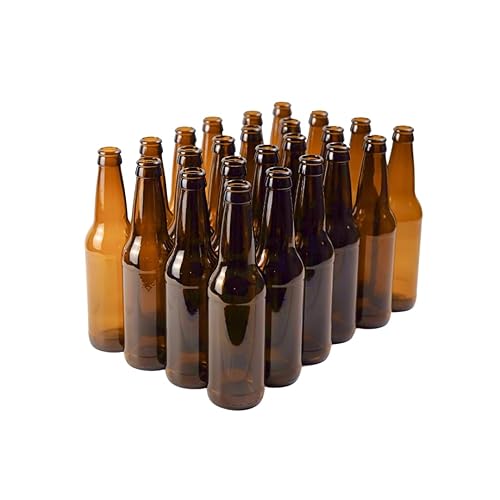
- Bottles or a keg setup, depending on your packaging method.
- Ingredients for the course recipe: malt, hops, yeast and water.
For guidance on the sanitizer step, see Sanitizer for Beer Brewing: Step-by-Step Guide for Home Brewers. Many students also find a Refractometer for Beer Brewing: How to Measure Gravity Accurately useful for tracking progress during fermentation.
Step 3: Keep a Brew Log During the Course
Write down every number your instructor gives you: strike water temperature, mash time, pre-boil gravity, pitching temperature and final gravity. A brew log turns a one-time class into a reference you can use for years. Record what you did differently from the instructor, too, since those notes help you troubleshoot later.
Step 4: Brew Along and Practice Between Sessions
Courses work best when you apply lessons right away. If the class covers mashing, do a second mash at home the following weekend. Repetition builds the muscle memory and judgment that no lecture can fully supply.
Step 5: Build Your Own Recipe
Once you understand the process, begin adapting recipes. Start by changing one variable at a time: a different hop variety, a new yeast strain or an adjusted mash temperature. Use the course recipe as your control batch. For ideas on recipe structure, Recipe for Brewing Beer: A Step-by-Step Guide for Home Brewers walks through how to organize ingredients and steps.
Step 6: Learn Fermentation and Yeast Management
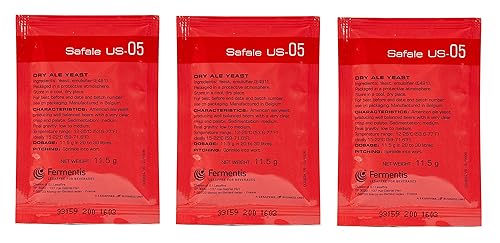
Fermentation is where many beginners lose quality. Ask your instructor about yeast pitch rates, fermentation temperature ranges and how long to wait before taking a gravity reading. The article Yeast for Beer Brewing: A Step-by-Step Guide for Beginners covers the basics you should be comfortable with by the end of the course.
Step 7: Move Liquids Safely
Transferring wort and beer without splashing or introducing oxygen is a skill many classes teach only briefly. Review Brewing Pumps and Tubing: Moving Wort and Beer to understand the equipment options and food-safe practices.
Checklist: What to Bring to Your First Session
- Notebook or spreadsheet for your brew log
- Comfortable closed-toe shoes and an apron
- Written list of questions about your equipment
- Photos of your current setup, if the instructor offers feedback
- Any ingredients or equipment the course requires
- Calendar time for brewing and fermentation follow-up
Tips for Getting More From a Craft Beer Brewing Course
- Ask about the fermentation schedule, since many batches need two to three weeks before they are ready to package.
- Bring a sample of a beer you already enjoy and ask the instructor to help you identify its style and ingredients.
- Join the course community or forum, if there is one, to compare notes after your own brew days.
- Repeat the course recipe at home before changing anything, so you have a baseline for comparison.
- Take photos of your gravity readings and fermentation progress to spot trends over time.
Common Mistakes
Students frequently run into the same problems. Avoid these:
- Skipping sanitation details. Infections often trace back to rushed cleaning, not to the recipe.
- Taking gravity readings too early. Wait until fermentation appears to have finished before drawing conclusions.
- Changing too many variables at once. You will not know which change caused a good or bad result.
- Ignoring water quality. Tap water with high chlorine or unusual mineral content can affect flavor. Consider Ro Water for Brewing Beer: 5 Best Options for Home Brewers (2026) if your local water is a problem.
- Overbuying gear before understanding the process. Learn the basics first, then decide what upgrades matter.
Recommended gear
These items pair well with most craft beer brewing courses and help you practice what you learn at home.
- Pot for brewing beer: A stainless brew kettle sized for full boils gives you room to work without boilovers. View on Amazon
- Digital thermometer: Accurate temperature readings are essential during mashing and fermentation. View on Amazon
- Refractometer: Quick gravity readings with small sample volumes make tracking fermentation easier. View on Amazon
- Starter brewing kit: A complete kit can help you practice the course recipe without sourcing every item separately. View on Amazon
FAQ
Do I need prior brewing experience to join a craft beer brewing course?
Most introductory courses are designed for beginners and explain each step from the start. Advanced courses may expect familiarity with sanitation, measurements and basic equipment, so check the prerequisites before enrolling.
How long does a typical course last?
Length varies widely. Single-session workshops may cover one brew day, while multi-week programs include brewing, fermentation and packaging. Check the official course description for current session details.
Will I learn all-grain brewing or extract brewing?
It depends on the course. Some teach extract or partial mash methods for beginners, while others focus on all-grain. Confirm which method is covered so your equipment matches the instruction.
Do I need to buy equipment before the course?
Many courses provide a list of required items. At minimum, you will typically need a brew pot, fermenter, sanitizer, thermometer and a way to measure gravity. Ask the organizer what is supplied and what you should bring.
Are online craft beer brewing courses as effective as in-person classes?
Online courses can teach the same core concepts, especially if they include video demonstrations and clear recipes. In-person classes offer immediate feedback on your technique, which some learners find especially helpful.
How soon can I brew on my own after completing a course?
Many students brew a repeat batch within a few weeks. Practicing the same recipe twice builds confidence and makes it easier to spot changes in your process.
What if my beer tastes off after brewing at home?
Off-flavors usually trace to sanitation, fermentation temperature, oxygen exposure or yeast health. Review your brew log, compare it with the course steps and change one variable at a time when you troubleshoot.
Should I consult a professional about brewing safety?
Brewing involves hot liquids, pressurized kegs and, in some cases, electrical equipment. If you have questions about safe equipment use, gas or electric heating, or home permits in your area, consult a qualified professional or your local authority.
Conclusion
A craft beer brewing course can shorten your learning curve and give you a reliable process to build on. Choose a format that fits your schedule, prepare your equipment, and keep detailed notes from every session. Then practice at home until the steps feel routine, and begin adjusting recipes with purpose.
Ready to choose one?
About Graham Fisher
Graham Fisher is part of our editorial team and reviews and edits our home brewing guides, checking product details against manufacturer specifications and owner feedback.